GRACE FURNITURE SERIES
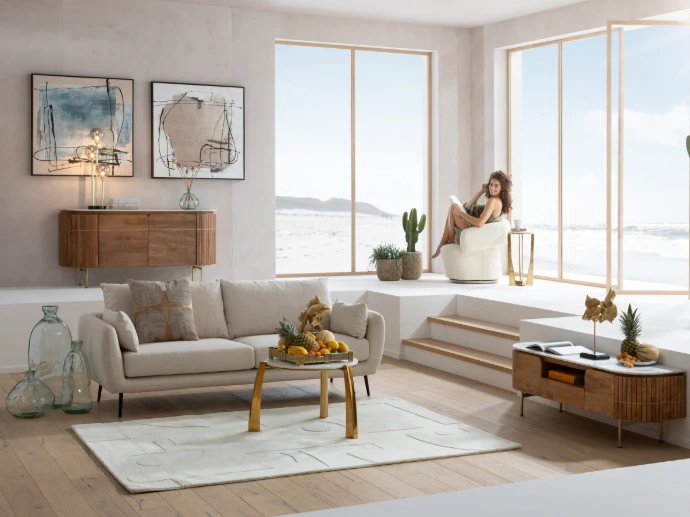
SHOP THE COLLECTION
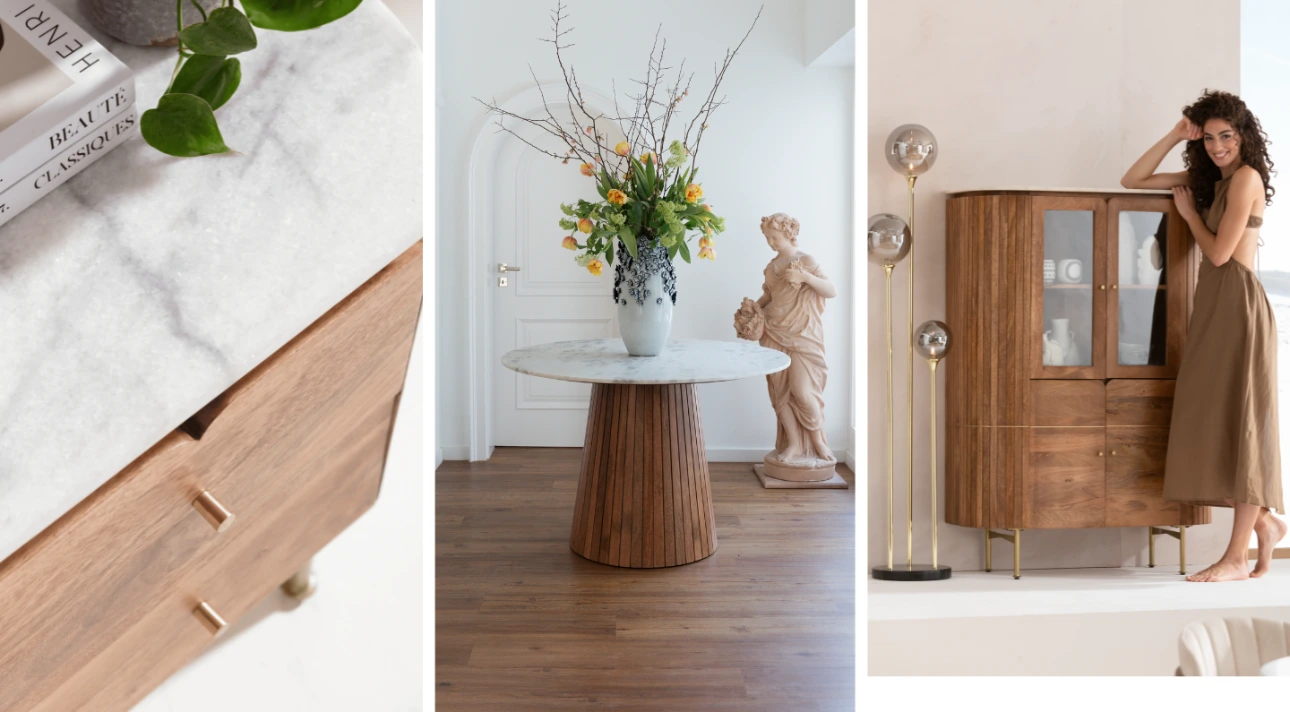
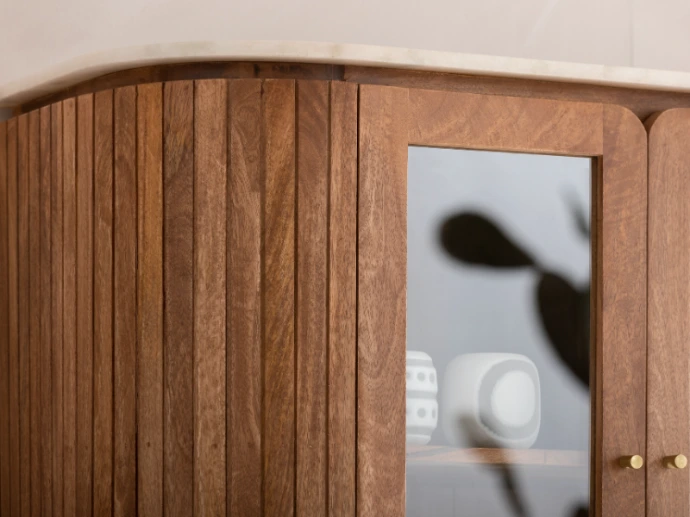
FLUTED FRONTS
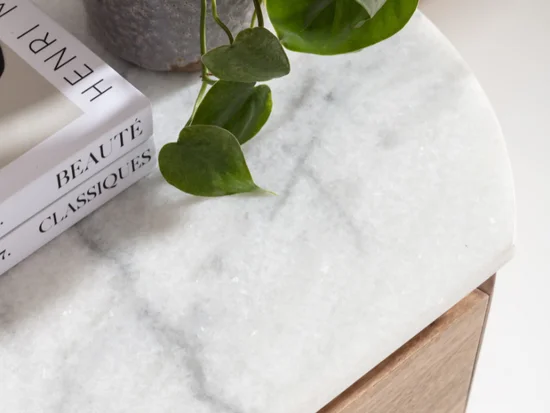
REAL MARBLE
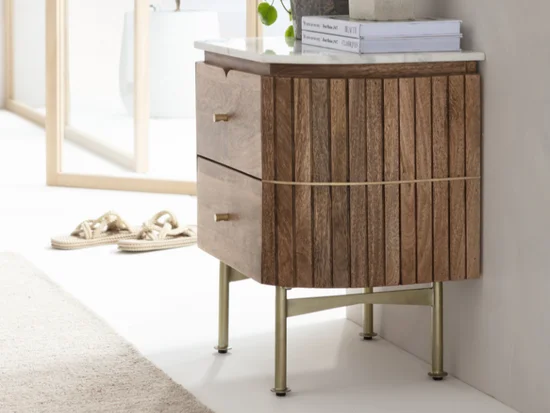
GOLD-TONED FEET
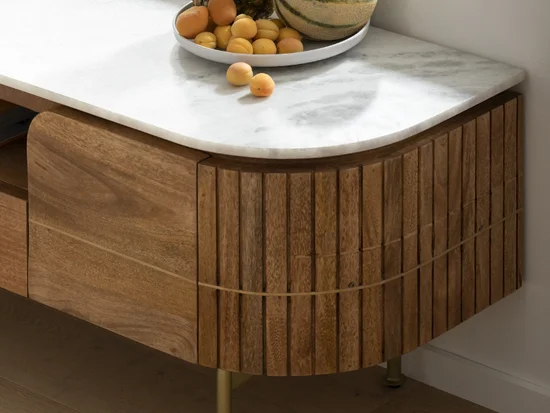
SOLID MANGO WOOD
THE STAR OF EVERY LIVING ROOM
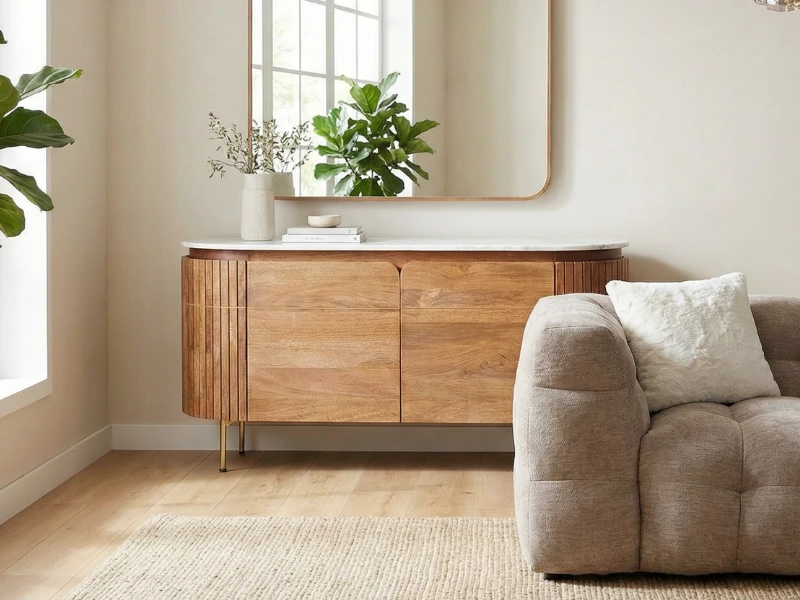
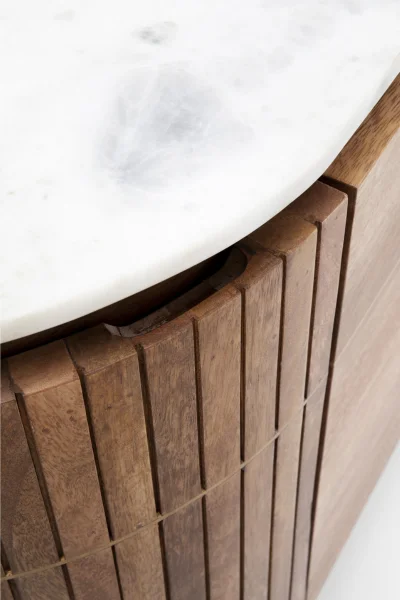
The Grace sideboard combines effortless elegance with thoughtfully planned storage. Its light marble top appears almost to float thanks to the recessed plinth, creating a refined contrast to the fluted fronts whose textured, subtly ribbed surface adds depth and a striking play of light and shadow.
CLEVER USE OF STORAGE
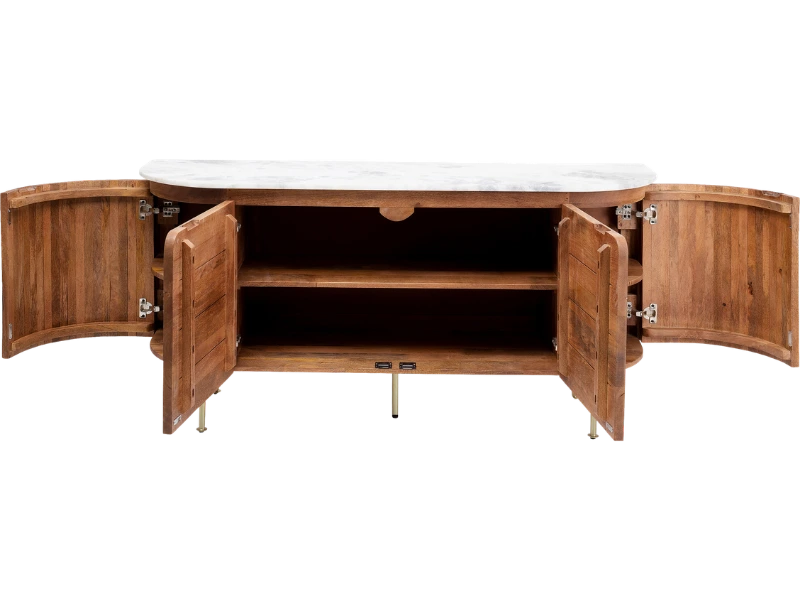
It’s not just the ribbed sides that catch the eye. On closer inspection, the rounded ends reveal themselves as doors, concealing
generous space for tableware, books or everyday accessories. Perfect for the living room, dining area or hallway!
SHOCASE YOUR SIDEBOARD IN STYLE
THE BAR ATMOSPHERE FOR YOUR HOME
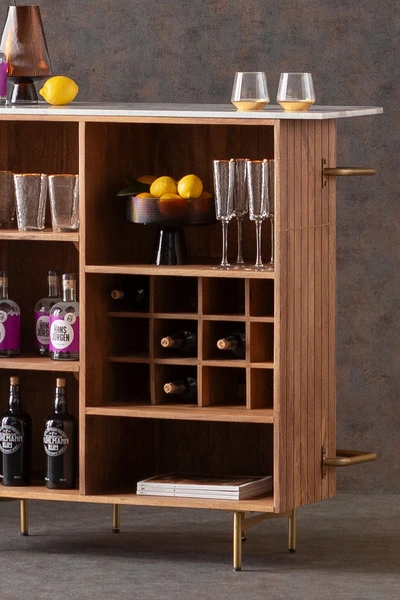
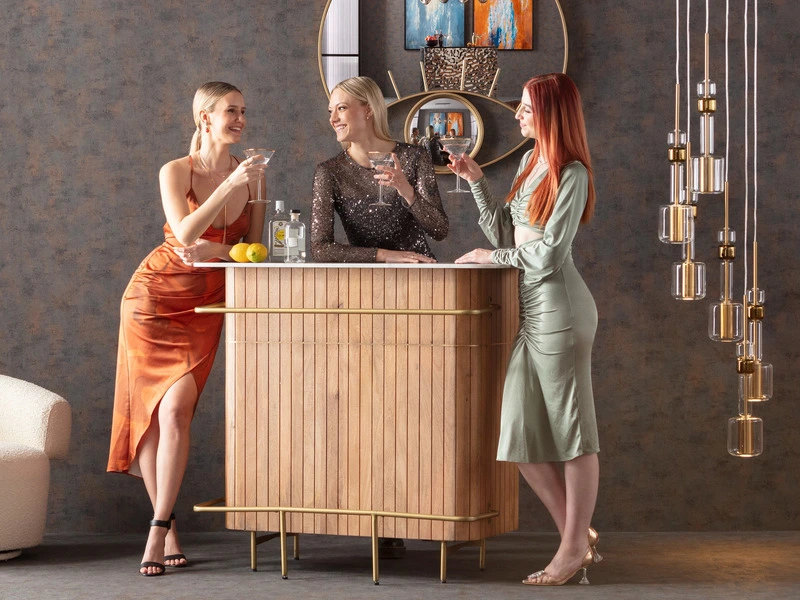
Whether in the living room or the kitchen, this bar turns any space into a stylish party spot. Fluted fronts in the on-trend ribbed design
give the piece a textured, dynamic surface whose distinctive play of light and shadow immediately catches the eye.
Inside, generous storage keeps glasses, spirits and bar accessories neatly organised, while the powder-coated steel handrail and
footrest add comfort. At the same time, the bar is ideal for visually zoning different areas of a room.

PERFECT ADDITIONS FOR YOUR BAR
OPEN TO EVERYTHING
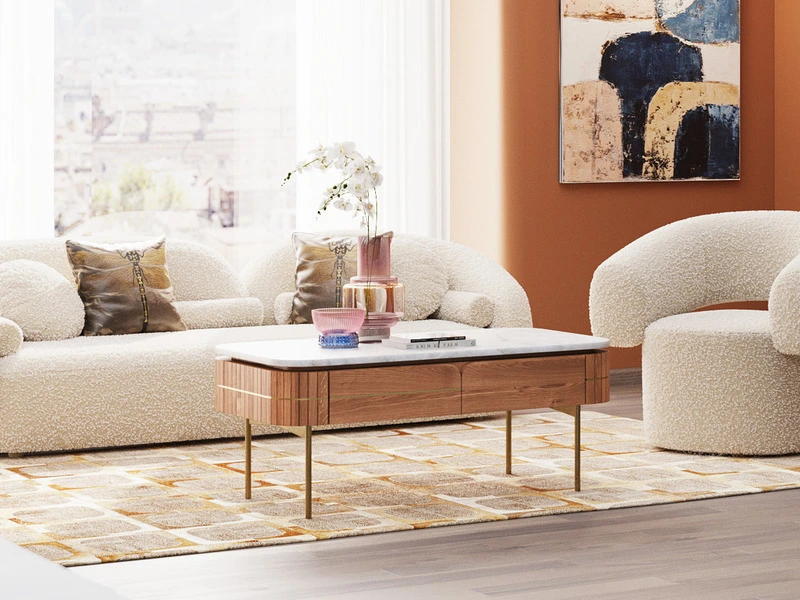
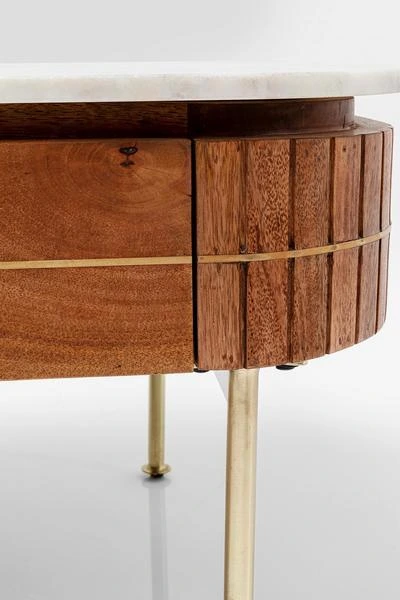
The Grace coffee table makes a calm yet striking statement in the living area with its soft lines and distinctive design. The finely
fluted fronts give the surface an elegant, subtly ribbed texture that reveals new contrasts with every change of light.
Its functionality is just as impressive: side-opening drawers can be pulled out flexibly to the front or back, creating practical
storage for everything you want close at hand in everyday life. Height-adjustable gliders on the feet ensure a stable stand.

COMPLETE THE LOOK
TABLE GRACE: DURABLE AND LONG-LASTING
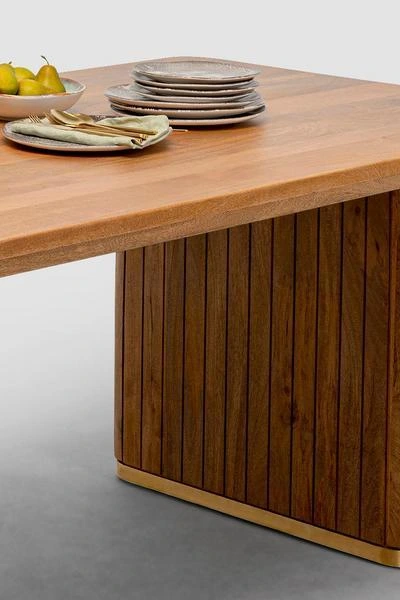
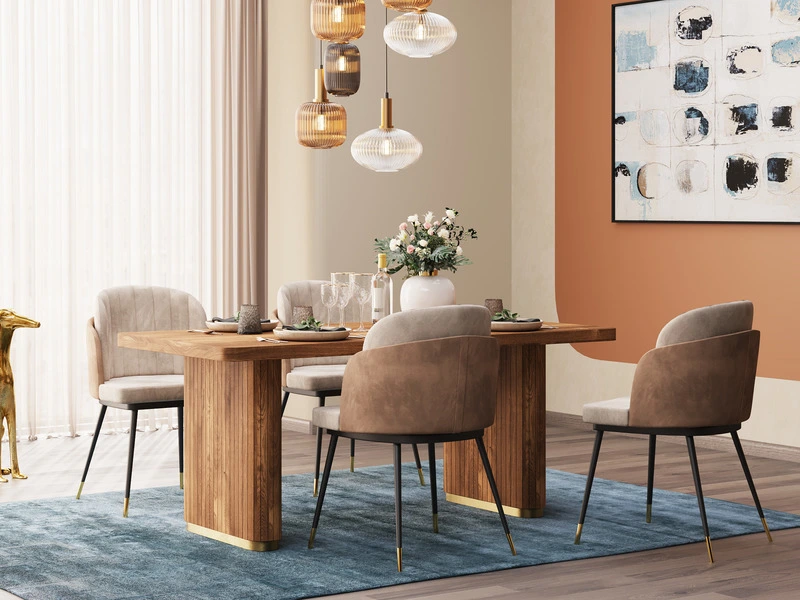
The Grace dining table is designed as a long-lasting companion for everyday life, uniting premium materials with a contemporary design language. Its striking panel base, featuring finely fluted, gently ribbed detailing, picks up on the fluted design trend and gives the table a structured, dynamic presence. Crafted from FSC®-certified solid mango wood, it brings natural warmth and sustainable quality to the dining area.
A brass-coloured trim made from powder-coated steel adds a refined accent and rounds off the design in style. Height-adjustable floor gliders ensure stability and effortlessly compensate for uneven surfaces – for a table that impresses just as much in daily use as it does visually.
COMPLETE THE LOOK
SPRING VIBES FOR YOUR HOME

TABLE GRACE Ø115cm
The round Grace table combines versatile functionality with expressive design. Its generous marble top lends a sense of luxurious lightness
to any interior, while the central pedestal in solid mango wood, with its finely fluted, subtly ribbed surface, picks up on the fluted-design trend
and creates an elegant, structured look.

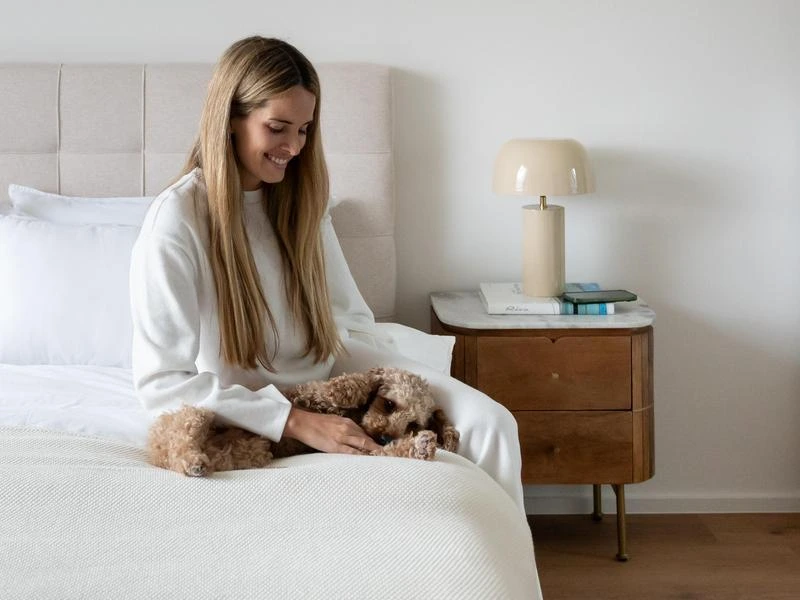
YOUR BEDROOM IN BOHO STYLE
The Boho style is all about a relaxed, natural and inviting atmosphere. It’s defined by light, earthy tones such as beige, sand and cream, paired with natural materials like wood, stone and linen. Soft shapes, handcrafted details and carefully chosen vintage pieces create a harmonious, individual look. Our Grace furniture collection, with its light marble tops and high-quality mango wood, fits seamlessly into this setting.
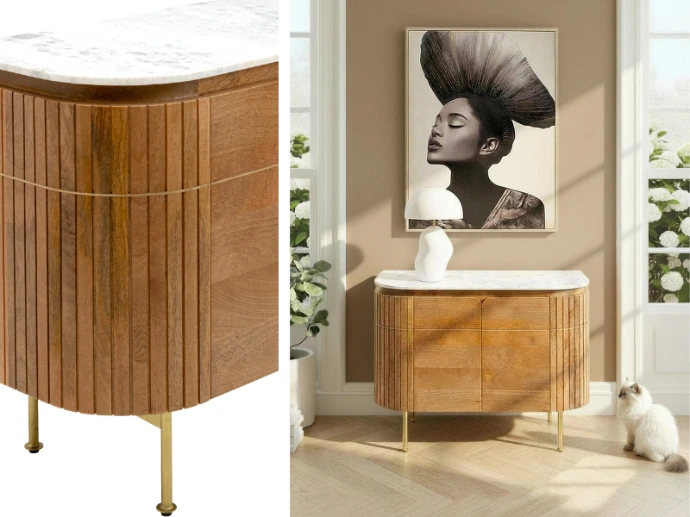
DRESSER GRACE
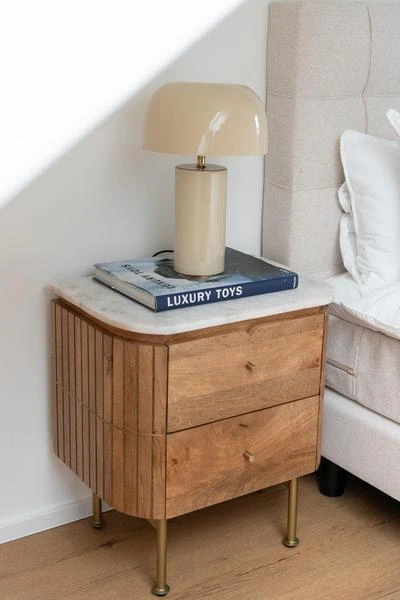
The Grace chest of drawers strikes the perfect balance between design and function. Fluted fronts give the surface a finely ribbed look whose subtle play of light and shadow immediately catches the eye, while the light marble top creates an elegant contrast and a high-end appearance.
Despite its compact dimensions, the chest offers surprisingly generous storage for clothing, accessories or everyday essentials – making it ideal for the bedroom, hallway or living area.
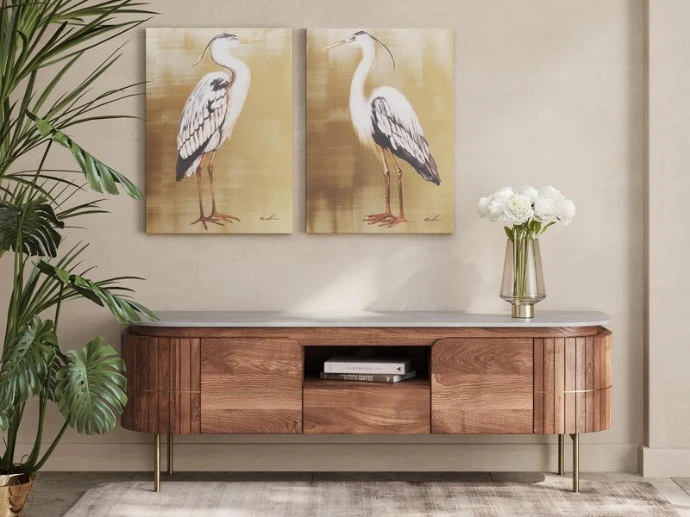
LOWBOARD GRACE
The Grace lowboard is the ideal TV unit. With two doors and a drawer, it offers ample space for magazines, remote controls and documents. The central compartment features a practical round opening at the back, allowing cables from electronic devices to be routed through with ease.
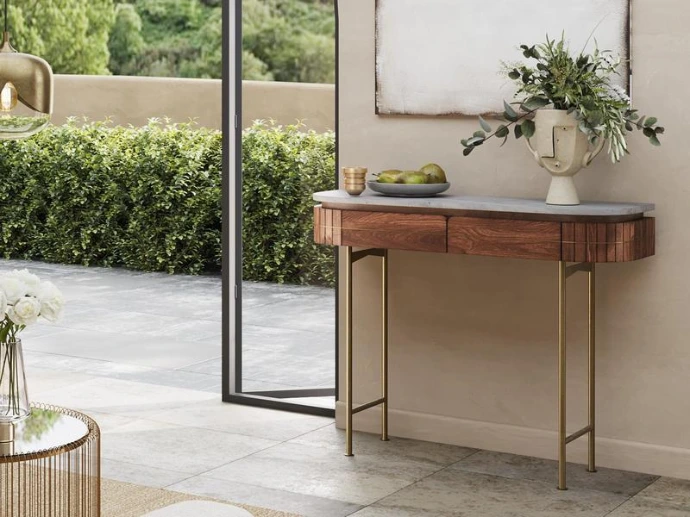
CONSOLE GRACE
The Grace console is perfect for the hallway or living room. With a depth of just 30 cm, it fits easily into narrow corridors. Two drawers offer space for valuables or glasses. Style it with small vases or decorative figures to complete the look.
CABINET GRACE
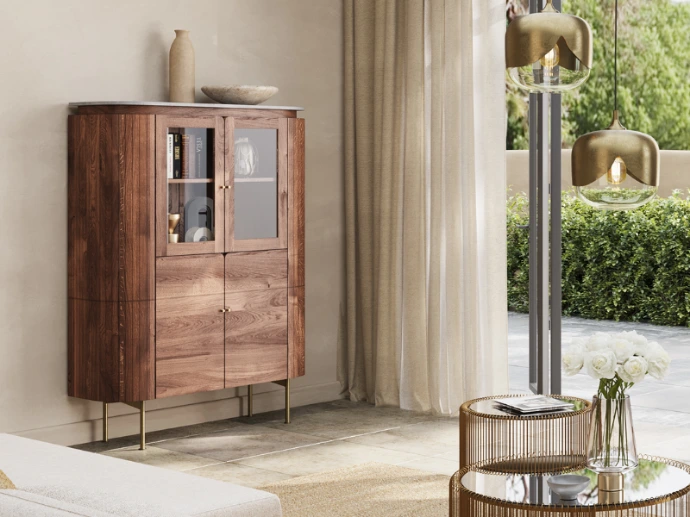
In the kitchen, living room or dining area, the Grace cabinet proves itself as a versatile all-rounder. The glass display section showcases decor and glassware in style, while the solid-wood fronts with their fluted structure add depth and a contemporary look.

GRACE - COMPLETE THE LOOK
FURNITURE WITH MARBLE ELEMENTS - WHAT SHOULD YOU BEAR IN MIND?
The durability of marble – timeless, with a few special traits
Marble is a natural stone known for its strength and longevity. Many historic buildings and sculptures made from marble have survived for centuries – a powerful testament to how enduring this material can be. At the same time, marble is softer than granite and more sensitive to external influences. Heavy impacts, scratches or acidic substances can damage its surface. With mindful use, however, marble remains a remarkably long‑lasting material.
Quality you can see and feel – unique veining and a luxurious look
No two marble pieces are alike. Each slab has its own veining and colour variations depending on where it was quarried and how it was formed. High‑quality marble is carefully processed, honed and polished to bring out this natural character. There are also differences in density and porosity between marble types: the more compact the stone, the more resistant it is to everyday wear.
Caring for marble – how to keep it beautiful for years
The right care is essential if marble furniture is to retain its elegance over many years. Because marble is porous, it absorbs liquids quickly, which can lead to staining. Acidic substances such as lemon juice, vinegar or red wine are particularly aggressive and can etch the surface. Spills should therefore be wiped up immediately, and harsh cleaners avoided. A mild, pH‑neutral cleaner with lukewarm water is ideal. Regular sealing helps close the pores of the stone and makes it more resistant to stains.
To prevent scratches, sharp or rough objects should not be placed directly on the surface. The Grace bar, for example, is particularly exposed to water rings and stains in everyday use. Coasters and promptly wiping away liquids keep the marble top looking pristine.
Conclusion – marble is timeless, and with the right care, long‑lasting too
Marble furniture combines beauty with durability, but it does require a certain level of care to preserve its original elegance. Choosing marble means bringing a high‑quality natural material into your home that, with the right maintenance, can last for generations without losing its timeless appeal.
Despite its sensitivity, marble can be well protected and will maintain its refined appearance even under daily use. Especially in heavily used areas, a little extra attentiveness pays off and helps to avoid damage. Those who take care around stains, scratches and aggressive substances will enjoy marble’s unique aesthetic for a long time – and gain a true statement piece for their home.
Marble furniture is timeless because it strikes a perfect balance between nature and craftsmanship. As a material that has been used in art, architecture and design for thousands of years, marble carries an inherent story of permanence.
Early discoveries – marble in antiquity (approx. 3000 BC – 500 AD)
The first known marble deposits were already being exploited in antiquity. Particularly important were the quarries in Greece, including the famous Pentelic marble near Athens and Parian marble from the island of Paros. As early as around 3000 BC, the ancient Egyptians used marble for statues and tombs, though not yet on a large scale.
The Greeks were the first to mine marble systematically and use it for landmark structures such as the Parthenon in Athens. They valued its pure, noble appearance and chose it for sculptures, temple columns and architectural details. Later, the Romans adopted Greek techniques and filled their cities with magnificent marble architecture such as the Colosseum and the Pantheon in Rome. In this era, marble furniture appeared mainly as stone tables, benches and altars in temples and villas.
The Middle Ages – marble as a symbol of faith (approx. 500 – 1500 AD)
After the fall of the Roman Empire, marble initially played a smaller role in secular architecture but remained important for churches, cathedrals and religious artworks. In Italy, where the famous Carrara marble is quarried, its use flourished again in the Middle Ages. Gothic cathedrals across Europe were richly adorned with marble columns and altars.
Marble furniture was still rare and usually appeared as solid stone tops or as decorative inlays in wooden pieces. It was considered a luxury reserved primarily for the nobility and the church.
Renaissance and Baroque – marble as a status symbol (approx. 1500 – 1800 AD)
With the Renaissance, marble entered a new golden age, especially in Italy. Artists like Michelangelo used Carrara marble for masterpieces such as the statue of David. During this time, marble was no longer confined to sculpture and monumental buildings – it increasingly found its way into furniture design.
In France and Italy in particular, marble tables, chests of drawers with marble tops and elaborate marble floors became synonymous with wealth and power. Craftsmen developed new processing techniques, making it easier to integrate marble into furniture. In palaces and aristocratic homes, chests of drawers, sideboards and consoles were topped with substantial marble slabs.
Heavy Baroque commodes with gilded wooden frames and thick marble tops became coveted status symbols. French Rococo introduced lighter, more playful forms: curved consoles with slender marble tops showcased candlesticks, mirrors and decorative objects. Marble was used not only as a surface but also in intricate inlay work within fine wooden furniture.
The 19th century – industrialisation and new techniques
Industrialisation made working with marble more efficient. New machinery allowed large blocks to be cut and finished with far greater precision. Chests of drawers, sideboards and consoles with marble tops were no longer reserved solely for the aristocracy but also entered the homes of the affluent middle class.
In the historicist era, richly carved wooden commodes were crowned with white or dark marble to emphasise their refined character. Consoles with marble surfaces became popular statement pieces in entrance halls and salons, where they created an especially representative effect. Sideboards with marble tops were used as storage furniture, often combined with glass display sections above.
The 20th century – marble in modern furniture design
In the 20th century, design attitudes shifted. Long associated with heaviness and opulence, marble was reinterpreted in a lighter, more contemporary way. In the 1960s and 1970s, designers began experimenting with marble tops on slender metal frames to achieve a fresh, elegant look.
Renowned Italian furniture designers such as Angelo Mangiarotti and Mario Bellini used marble for coffee tables and sideboards. At the same time, new finishing techniques made the material more robust and versatile.
Marble today – from luxury material to design classic
Today, marble is experiencing a major revival in interior design. Thanks to modern processing methods, it can be cut thinner and lighter, making it ideal for contemporary chests of drawers, sideboards and consoles with delicate marble accents.
- Chests of drawers with marble: Whereas heavy wooden furniture with thick marble tops once dominated, today’s designs often use marble as a refined top surface. Minimalist chests of drawers with white marble paired with wood or metal are particularly popular and look especially sophisticated.
- Sideboards with marble: In modern living and dining areas, sideboards with marble tops act as real centrepieces. Whether combined with slim metal legs or dark wood, marble lends these pieces a luxurious note. Designs that pair marble with brass or gold-coloured details are in especially high demand.
- Marble consoles: Consoles have become a favourite for hallways and living rooms. Today they often take the form of slim marble tables on fine metal or wooden bases, serving as a stylish surface for decorative objects, lamps or vases and bringing an instant sense of elegance to a space.
From ancient temples to contemporary interiors, marble has always stood for enduring beauty. In furniture design, it has evolved from a rare luxury to a modern classic – yet it has never lost its unmistakable, timeless allure.

Genuine marble in furniture
Marble is a captivating natural material that has been prized for centuries for its distinctive character and resilience. Formed when limestone is transformed under immense pressure, it develops over millions of years into a dense, crystalline stone with unique patterns. At least half of its composition consists of minerals such as dolomite, aragonite or calcite, which give marble its characteristic hardness and durability.
Depending on which natural elements are present during its formation, marble displays an impressive spectrum of colours – from soft cream tones to rich greens and deep blacks. Particularly pure marble appears almost translucent, with a finely detailed, expressive surface.
These qualities make marble especially popular in furniture design. A chest of drawers with a marble top or a sideboard with marble accents instantly becomes a focal point and lends any room a special atmosphere. The interplay between natural veining and the smooth, cool surface creates a material that is not only visually striking but also beautiful to the touch. A lowboard with a marble top beneath the TV, for example, combines functionality with character – it is robust, long-lasting and develops a unique patina over time that adds even more depth to the piece.
Choosing marble for your home means choosing a material with a story. Every piece of furniture made from genuine marble is one of a kind, shaped by nature itself.
Marble furniture in 2025
Marble will remain a design favourite in 2025 – a trend that never truly goes out of style. Thanks to its versatility and its ability to add depth and refinement to any room, marble continues to be in high demand in the world of interiors. Whether used for table tops or shelving, marble furniture brings not only beauty but also a sense of permanence and sustainability into your home.
If you’re looking for a piece that is both visually striking and built to last, marble is always a safe choice. The combination of light marble, refined metal details and warm mango wood creates a balanced, inviting atmosphere in any space. Cool stone and warm wood complement each other perfectly, resulting in furniture that feels modern, welcoming and full of character. Especially in bright, airy interiors, marble really comes into its own and accentuates the natural feel of its surroundings.
The classic interior style is defined by high‑quality materials, harmonious proportions and carefully considered room layouts. It follows traditional design principles and reflects a way of living that has stood the test of time for centuries. Furniture in this style often feels representative and refined, conveying a sense of permanence and master craftsmanship.
Historical roots of classic furniture
As early as antiquity, furniture was designed not only to be functional but also richly decorated. Furniture design reached a particular high point during the Renaissance and Baroque periods. Fine woods such as mango or mahogany were meticulously crafted, embellished with inlays and frequently combined with marble tops. A sideboard with a marble surface was more than a storage piece – it was a statement of wealth and status. Consoles with curved legs and ornate carvings were equally at home in opulent salons and grand living rooms.
18th and 19th century styles
In the 18th and 19th centuries, a number of movements emerged that further shaped the classic look. The Louis XVI style favoured clear lines and geometric forms, while the Empire style was more monumental and powerful in its expression. A lowboard made of mango wood with a solid marble top would have been perfectly at home in the elegant salons and reception rooms of these eras.
Materials and craftsmanship – quality that endures
Today, classic furniture is still prized for its meticulous workmanship. A well‑made sideboard in mango wood with turned legs or fine decorative details instantly lends a room an elevated atmosphere. Paired with a marble top, the piece gains an extra touch of luxury while introducing a natural, tactile element to the design. Beyond its aesthetic appeal, durability plays a key role: classic furniture is often built to be cherished and used for generations.
Harmony and composition in classic interiors
Symmetry, understated colours and noble materials are hallmarks of this style. Consoles with marble tops, elegant brass fittings or finely crafted feet are typical design elements. Such pieces integrate seamlessly into a room and create an environment that feels calm, balanced and valuable.
Classic furniture – tradition in contemporary homes
The classic interior style brings together traditional craftsmanship and forms that have been admired for centuries. Wooden sideboards, consoles and lowboards with marble accents embody this aesthetic particularly well and continue to feature prominently in sophisticated interior concepts today.
Which wall colours work best with light marble?
The perfect wall colour for marble – when stone and shade are in harmony
With its distinctive veining and natural presence, marble instantly changes the mood of a room. To show this noble material at its best, wall colour is key. The right palette can highlight the character of the stone, add warmth or create a striking contrast.
Soft natural tones for a calm atmosphere
Light, earthy hues such as beige, sand or taupe make a room feel welcoming and well balanced. They pick up the warm nuances in the marble and create a gentle link between stone and wall. Combined with cream‑coloured or golden marble, they produce a cosy atmosphere that lets the material truly shine.
These shades are ideal for living and dining rooms where a relaxed, inviting mood is desired. They promote a sense of calm and comfort and provide a pleasant backdrop for social gatherings.
Cool greys for a contemporary edge
If you want to emphasise marble’s clean, architectural character, opt for light grey through to anthracite. These colours work particularly well with white‑grey or dark marble and provide a striking, graphic backdrop. A pale grey keeps to the background, while deeper shades add more structure and definition.
This palette is perfect for modern bathrooms or home offices where a clear, understated atmosphere is the goal. It underlines marble’s elegant look while remaining simple, sleek and refined.
Dark tones for dramatic contrast
For interiors with more depth and presence, consider deep blue, emerald green or Bordeaux red. These colours set off light marble beautifully and bring a touch of drama to the space. In larger rooms, dark walls come into their own and make the shimmering surface of the stone stand out even more.
Rich, saturated hues are ideal for dining rooms or lounge areas where a luxurious, cocooning feel is desired. They create an intimate yet impressive setting and accentuate the sophisticated side of marble.
Gentle pastels for a fresh, airy feel
Soft shades such as sage green, sky blue or a delicate blush pink lend the room a light and friendly character. They are especially flattering to pale marbles and introduce a subtle playfulness. These colours feel soothing and pair beautifully with wood and metal accents.
Bedrooms and hallways benefit in particular from these gentle tones, as they create a calm, welcoming environment – perfect for unwinding or greeting guests.
Conclusion: colour defines the mood
Whether you prefer harmonious and soft, cool and modern or bold and contrasting – your wall colour determines how marble is perceived in the room. Earth tones create warmth and a natural feel, while darker shades set the stage for a more dramatic look.
Depending on the effect you want to achieve, you can let marble blend quietly into the overall scheme or put it centre stage with a strong contrast. The ideal wall colour depends not only on the type of marble, but also on how the room is used and the atmosphere you want to create.
Marble is renowned for its distinctive texture and luxurious character. Its natural veining and refined colour variations make it an ideal partner for decorative pieces that enrich a room’s atmosphere. Vases, mirrors and antique figurines in particular are perfect companions, enhancing marble’s charm and giving it even more presence.
White vases are a classic choice that pair beautifully with marble. Their crisp, clean colour creates a clear contrast to the often pronounced veining of the stone without overwhelming the eye. They bring freshness and lightness to a space and reflect natural light, allowing the marble’s sheen to stand out even more. Whether used with light varieties of marble or displayed as standalone objects, white vases provide an elegant frame for fresh flowers and help create a calm, uncluttered ambience.
Gold-framed mirrors add a striking accent to interiors with marble. The warm metallic finish offers a strong yet refined counterpart to the cool tones of the stone. The reflective gold not only bounces light around the room but also introduces a sense of warmth that softens marble’s cool elegance. Such mirrors are ideal for visually enlarging a space and adding depth. In hallways or living rooms, the combination of gold mirrors and marble creates an atmosphere of luxury and sophistication.
Classical figurines or statues, often crafted from bronze or porcelain, also harmonise beautifully with marble. These artistic objects echo the traditional aesthetic associated with the stone and establish a link to its long history. Antique figures integrate seamlessly into marble-accented rooms and highlight the craftsmanship behind the material. They often act as a visual focal point, drawing the eye without overpowering the overall design. In libraries or living rooms with historic marble details, they further emphasise the room’s classical character and contribute to a cultured ambience.
Together, white vases, gold-framed mirrors and antique figurines strike a finely tuned balance that underlines marble’s refined appeal and adds extra depth of expression. These decorative elements work just as well in modern interiors as in more traditional settings and can be styled in many ways to bring out the full, natural beauty of marble.
Marble can be combined with many different types of furniture to create elegant, harmonious interiors. It works especially well with simple, contemporary pieces that allow the stone to take centre stage. Here are a few ideas for integrating marble into your home with style:
- Wood and marble: Marble pairs beautifully with wood, particularly warm species such as oak or walnut. The contrast between the cool, glossy stone surface and the natural warmth of the wood creates a sophisticated, tactile look.
- Metal and marble: Metal details in gold, black or silver are a perfect match for marble. A marble table with slender gold legs or a shelving unit with a metal frame instantly adds elegance and a modern, airy feel.
- Minimalist furniture and marble: To really showcase marble’s natural beauty, combine it with minimalist furniture in neutral shades like white, black or grey. These pieces create a calm, balanced backdrop that lets the stone shine.
- Collector’s pieces or vintage furniture and marble: If you want a space with character, marble also looks stunning alongside antique or vintage-inspired furniture. The dialogue between historic craftsmanship and contemporary marble gives the room a unique, curated atmosphere.
In essence, marble is at its best when paired with furniture that highlights its refined look rather than competing with it. Whether you choose wood, metal or vintage pieces depends on whether you’re aiming for a warm, modern or high-contrast style.