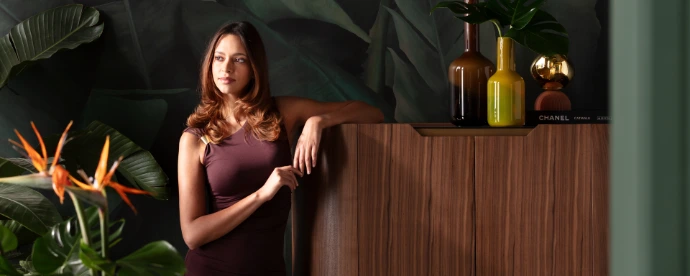
GIORGIO SERIES
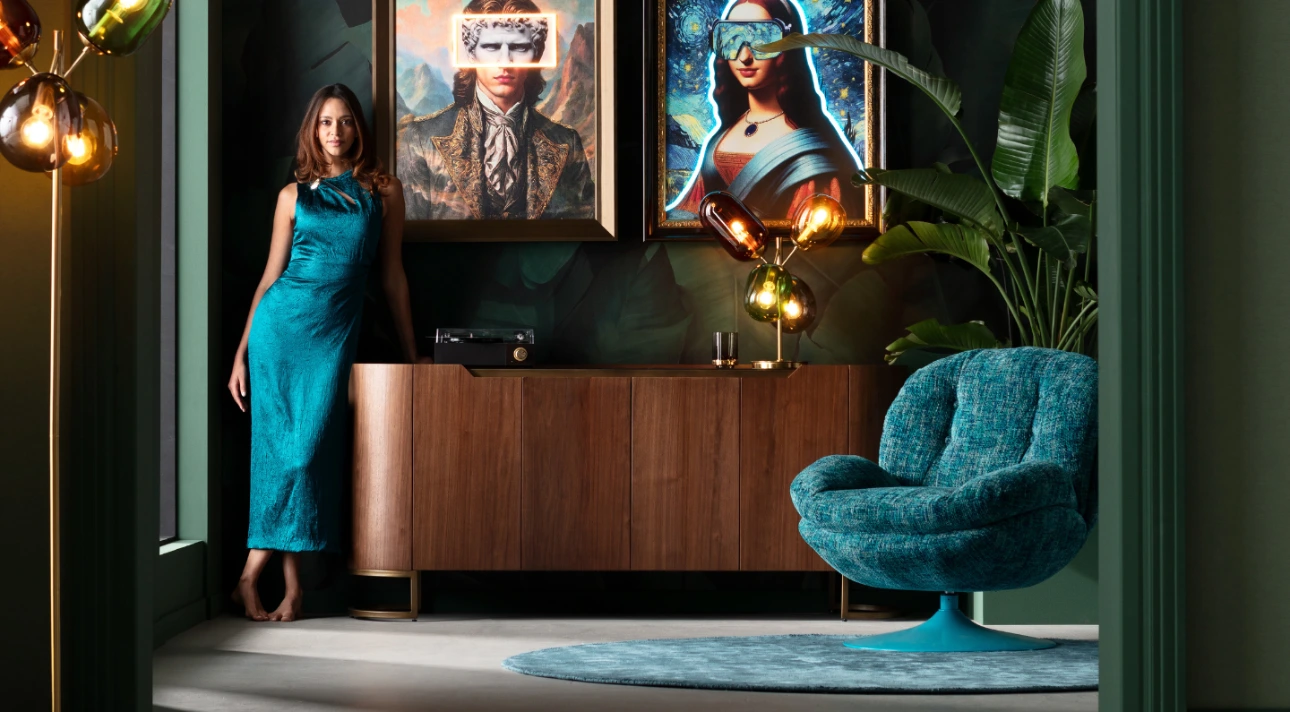
THE DETAILS: TIMELESS, LUXURIOUS, ELEGANT
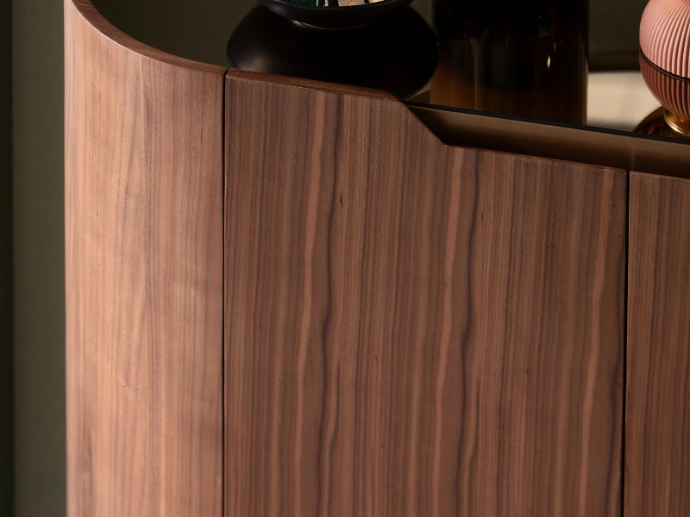
ELEGANT WALNUT
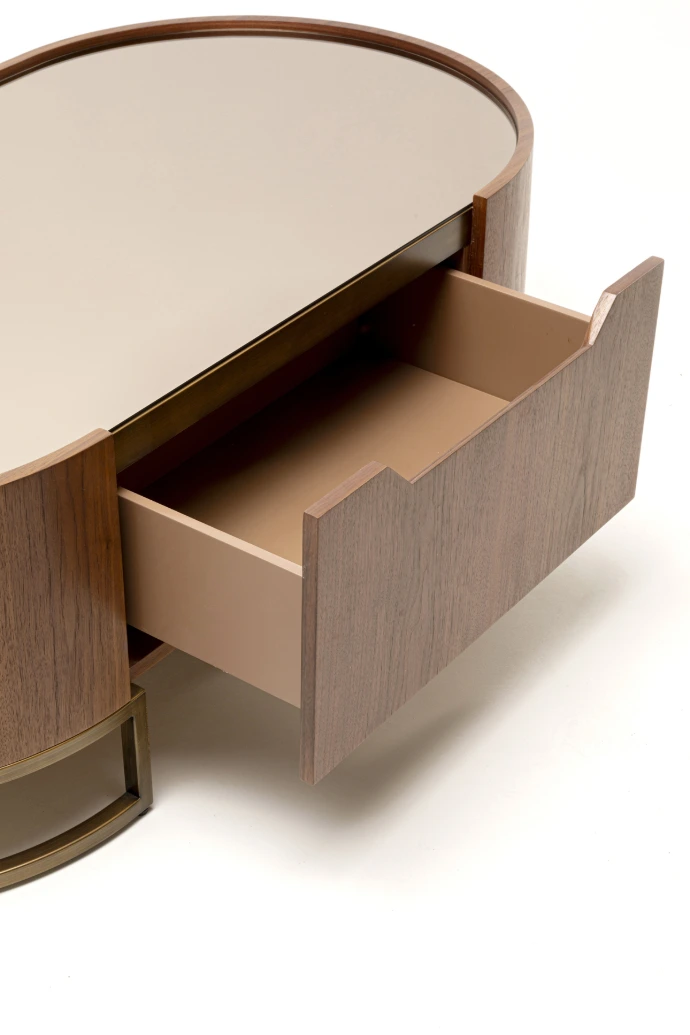
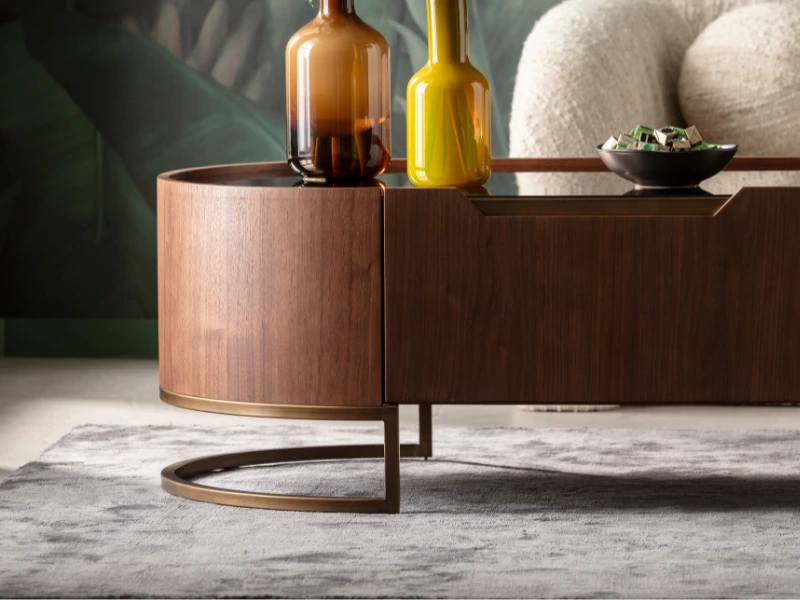
The cabinet bodies and fronts of the Giorgio series are made of lacquered medium-density fiberboard with an elegant walnut finish. The warm, elegant grain gives the furniture a timeless, high-quality look.
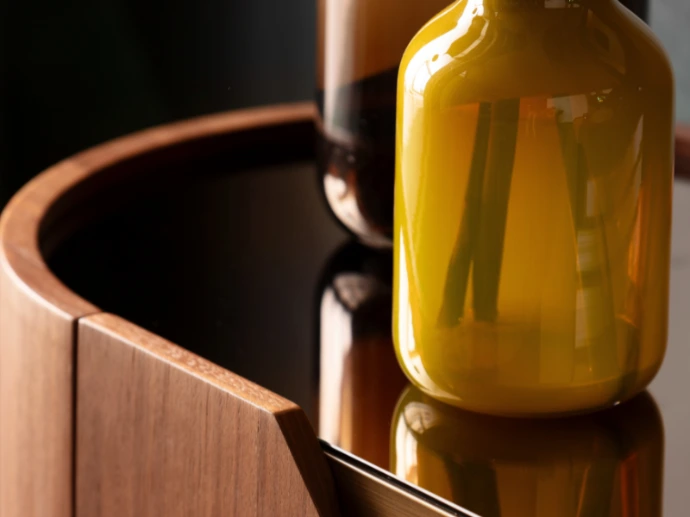
MIRRORED GLASS TOP
The dark, mirrored glass top perfectly complements the elegant walnut wood and gives the piece a modern, sophisticated touch. A stylish statement for discerning living!
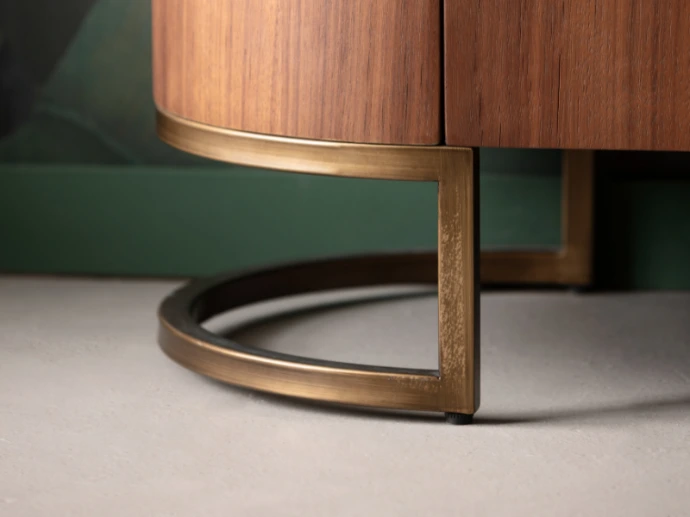
STAINLESS STEEL FRAME
The delicate, lacquered stainless steel frame gives the Giorgio series a modern, airy feel and ensures stylish stability. A sophisticated contrast to the warm wood tones!
THE COLLECTION AT A GLANCE
STAINLESS STEEL FRAME
The delicate, lacquered stainless steel frame gives the Giorgio series a modern, airy feel and ensures stylish stability. A sophisticated contrast to the warm wood tones!
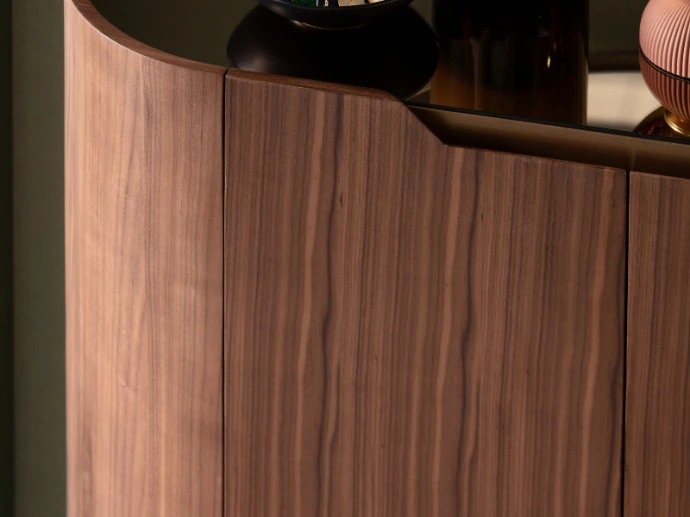
ELEGANT WALNUT
The cabinet bodies and fronts of the Giorgio series are made of lacquered medium-density fiberboard with an elegant walnut finish. The warm, elegant grain gives the furniture a timeless, high-quality look.
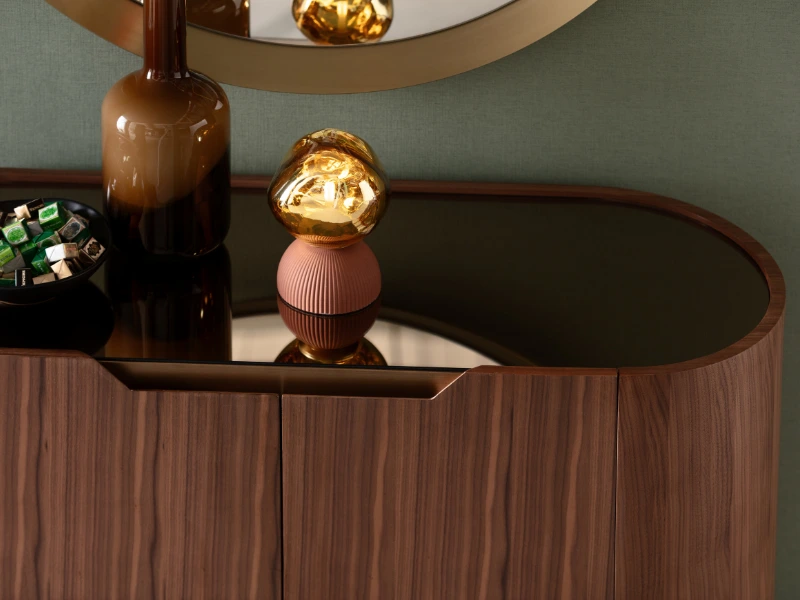
MIRRORED GLASS TOP
The dark, mirrored glass top perfectly complements the elegant walnut wood and gives the piece a modern, sophisticated touch. A stylish statement for discerning living!
GIORGIO BAR CABINET
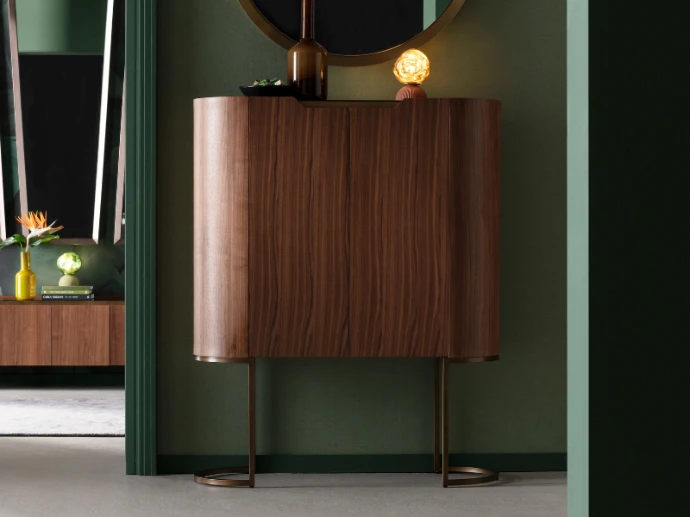
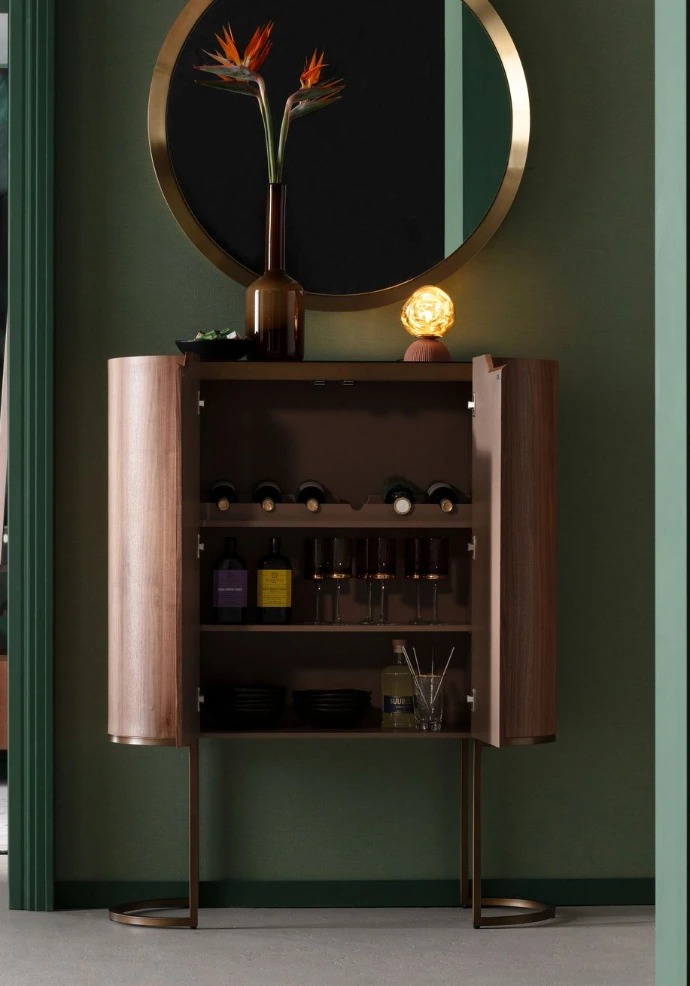
EVERYTHING FINDS ITS PLACE
GIORGIO SIDEBOARD
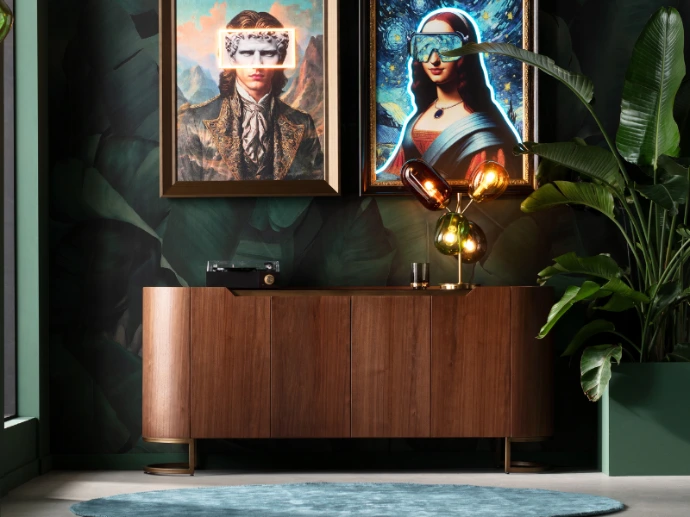
TIMELESS AND ELEGANT DESIGN
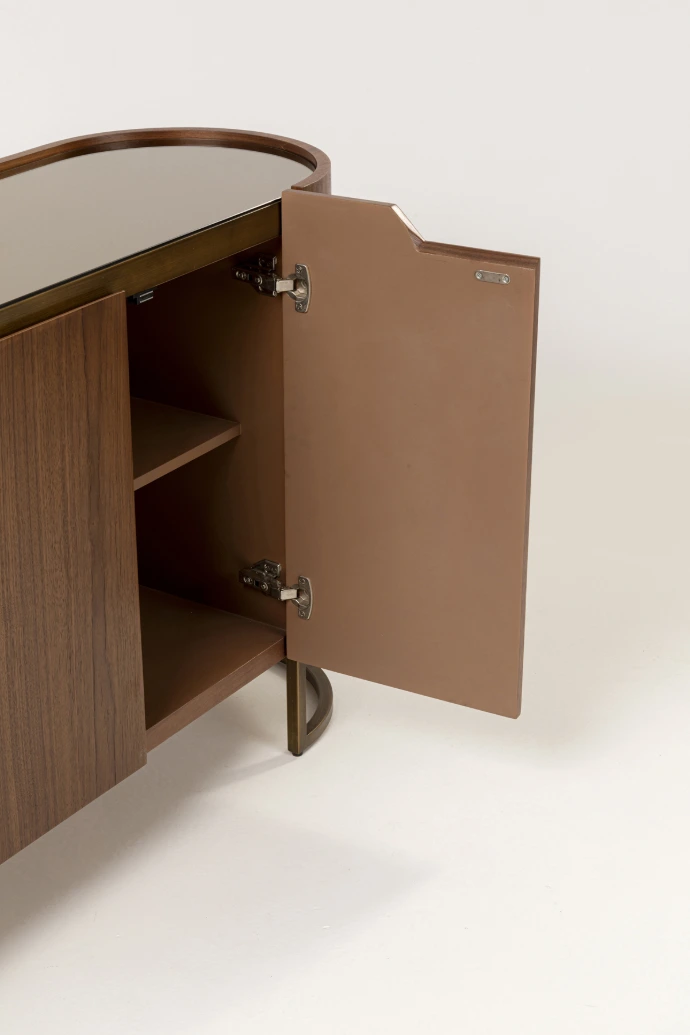
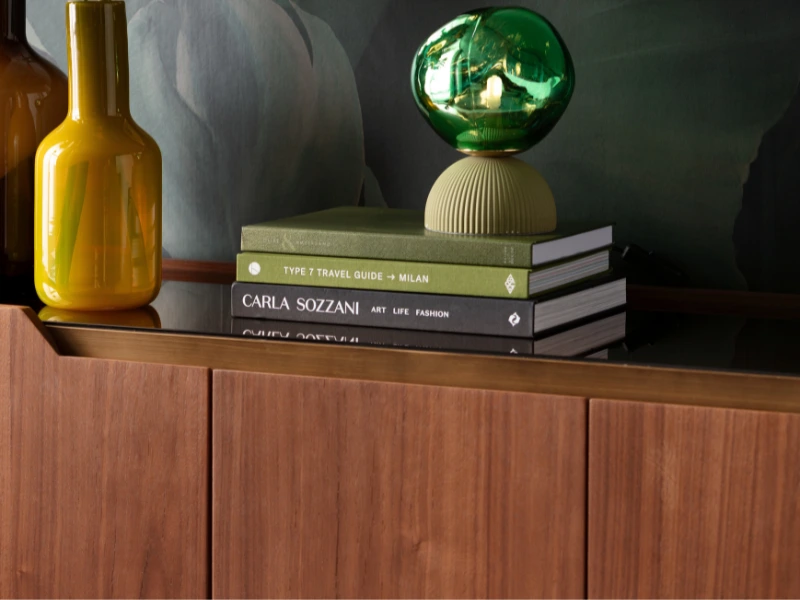
GIORGIO LOWBOARD
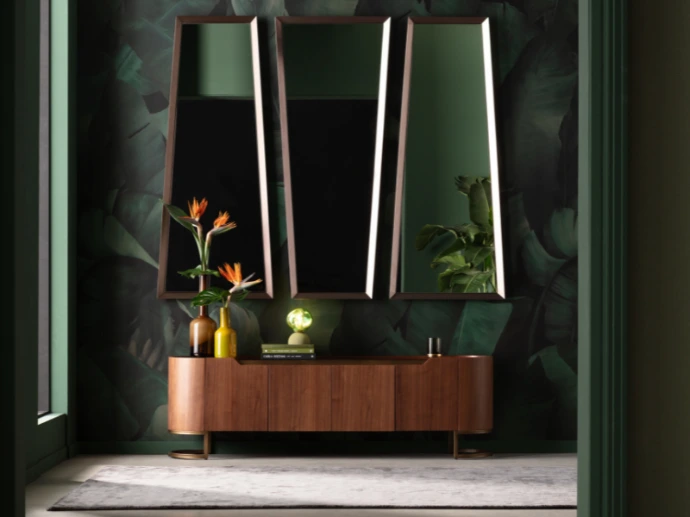
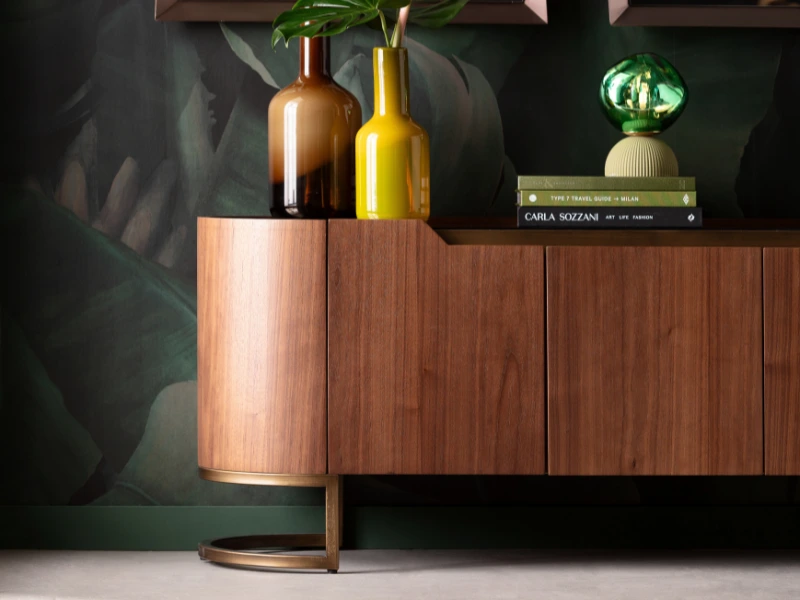
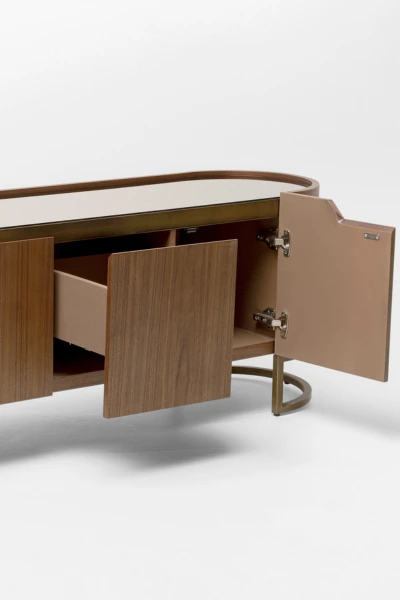
A STYLISH BACKDROP FOR YOUR DECORATIONS
GIORGIO COFFEE TABLE
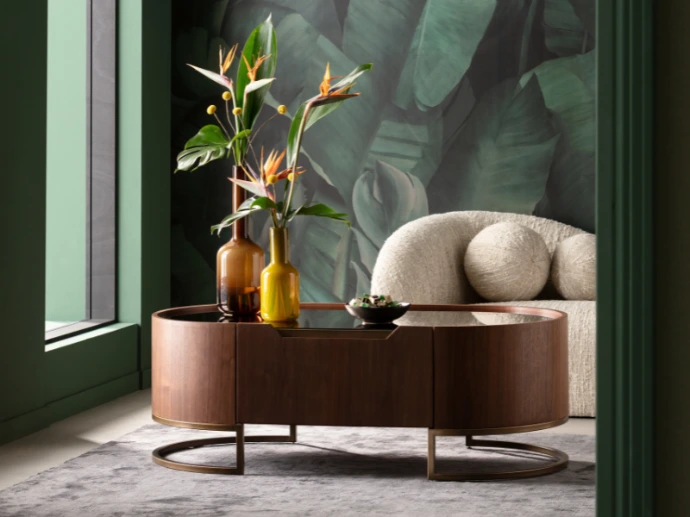
A STYLISH ADDITION TO YOUR LIVING ROOM
COMPLETE THE LOOK
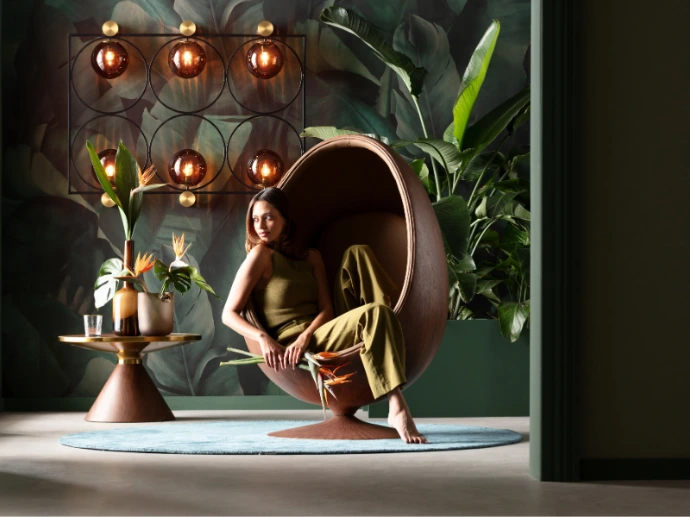
EYE BALL SWIVEL CHAIR IN WALNUT
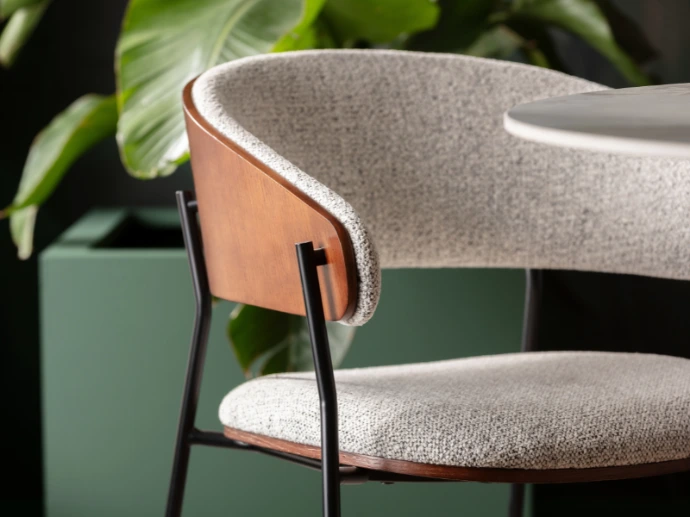
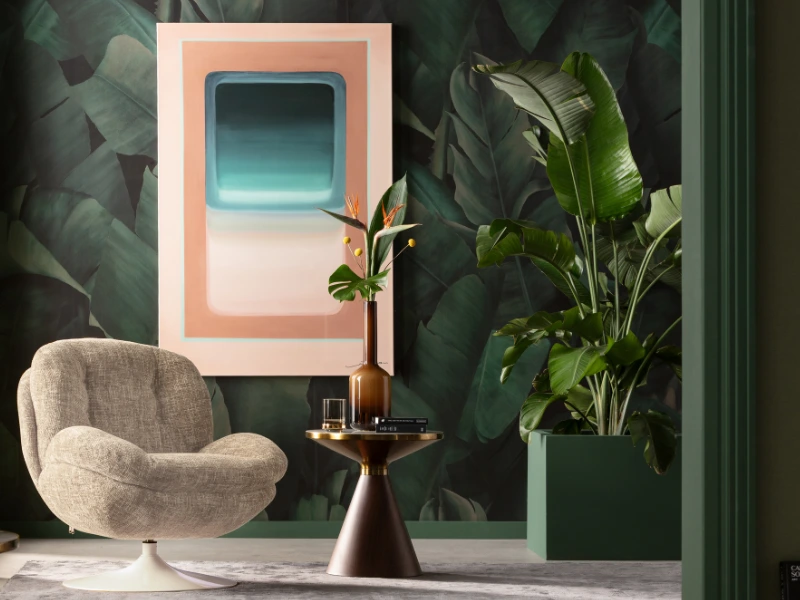
This armchair, with its curved, egg-shaped design, combines retro charm with modern comfort and versatile functionality. The striking grain of the walnut wood seat shell adds natural accents and creates a warm, inviting atmosphere. The inner, coated fabric with a soft leather-like finish complements the look with an elegant, soft touch.
SHOP THE LOOK
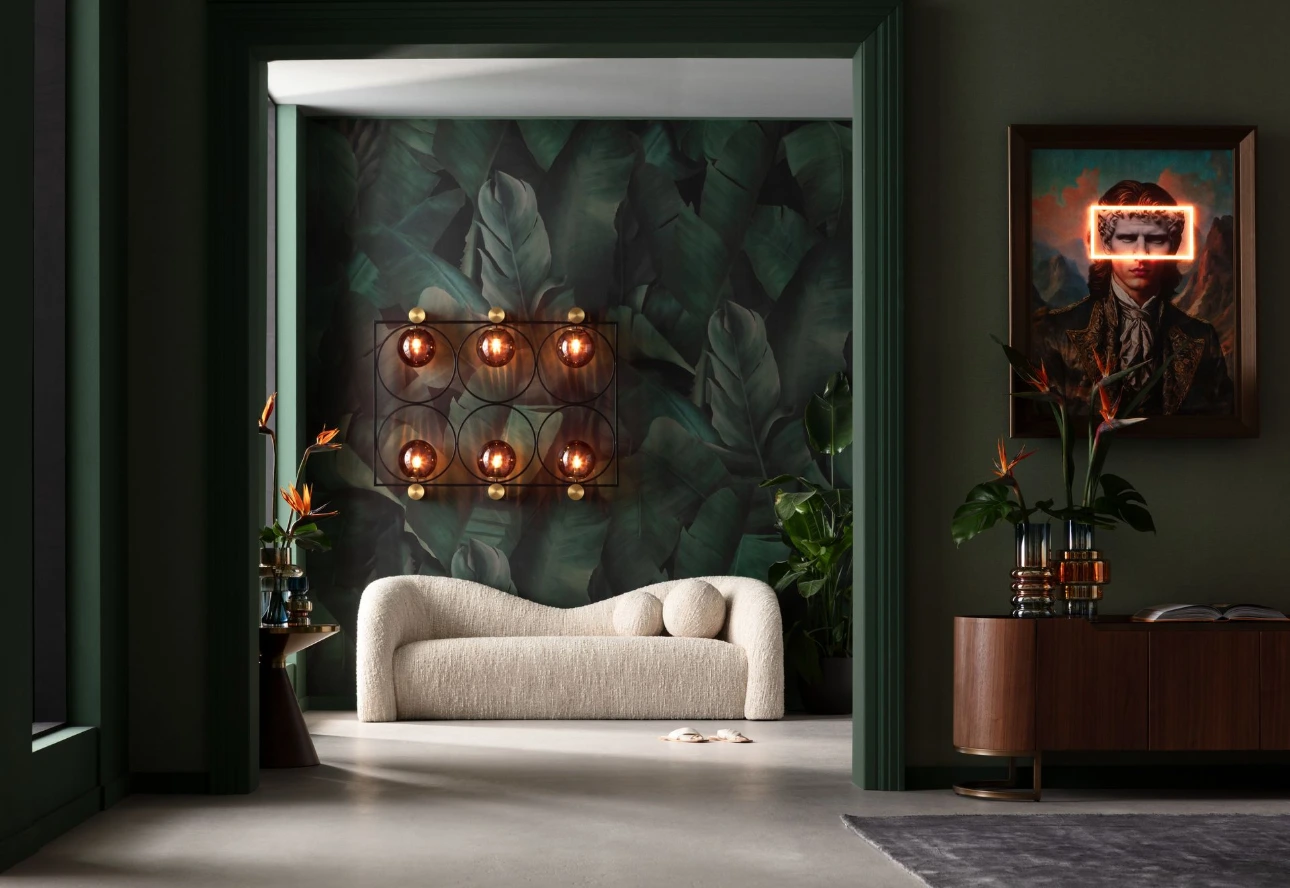
MIRROR AREZZO COFFEE
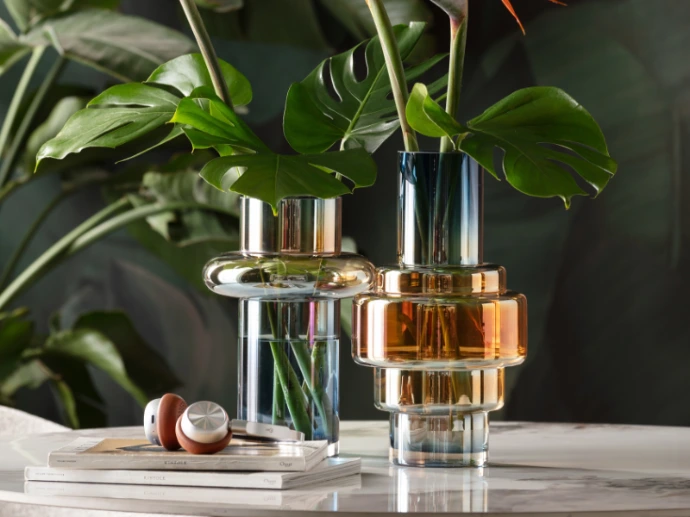
DISCOVER THE PERFECT VASES
MORE INSPIRATION
THE GIORGIO SERIES - TIMELESS, LUXURIOUS, NOBLE
Italian designer furniture is recognised worldwide for its combination of functionality and craftsmanship excellence. Over the decades, this style has continued to evolve and has been characterised by various social and cultural trends.
Early 20th century: Craft tradition and classicism
At the beginning of the 20th century, Italian furniture reflected artisan traditions. Pieces of furniture were often made in small workshops and were characterised by rich ornamentation and fine materials such as walnut, marble and leather. The designs were based on classical and baroque style elements and were inspired by Italian culture and history. At this time, craftsmanship took centre stage and furniture was seen as a status symbol of wealth and cultural taste. In the 1930s, the influence of functionalism began, which was characterised by simple, functional forms. Furniture should not only be beautiful, but also functional and accessible. It was a time when the balance between tradition and modernity was shifting.
1950s to 1960s: the dawn of Mid-Century Modern
Italian furniture design became world-famous during this period, as it strongly characterised the Mid-Century Modern style. Furniture became slimmer and more versatile, combining warm wood such as walnut with clear, curved lines. This style emphasised organic shapes and focused on the natural grain of wood, paired with innovative materials such as glass and metal. The Giorgio series from KARE can be categorised in this era.
1970s to 1980s: experiments with colours and materials
The 1970s and 1980s were characterised by bold and experimental designs. Italian furniture manufacturers began to use colours and materials in completely new ways. Glass and marble became popular and a playful, sometimes almost avant-garde style emerged. This era was strongly characterised by individuality and creativity. Italian furniture design set trends that spread far beyond the country's borders. At the same time, many pieces of furniture remained functional and suitable for everyday use.
1990s to today: minimalism and clean lines
A minimalist style prevailed in the 1990s. Italian furniture design increasingly focussed on clear, minimalist shapes and a high degree of functionality. Materials such as glass, steel and stone were increasingly used, often in combination with wood, to retain warmth and naturalness. The focus was on making rooms appear spacious, open and flooded with light. In the 2000s, the style continued to develop in the direction of Modern Luxury - a combination of minimalist design and luxurious materials such as marble, velvet and precious metals. The Italian design philosophy always remained the same: simplicity and beauty should never be at the expense of comfort and functionality. The trend is moving back towards natural materials such as solid wood (especially walnut), combined with modern elements such as glass and metal. Organic shapes have also regained importance. Round or oval pieces of furniture radiate softness and harmony and create a cosy atmosphere.
Italian furniture - design classics
Cassettone Neoclassico
This Italian chest of drawers was made in the neoclassical style and is characterised by its clear lines, often with inlays of different woods. Walnut wood was a central material that lent the chest of drawers warmth and elegance.
Cassettone Veneziano
The Venetian chest of drawers, also known as a cassettone veneziano, is a splendid example of 18th century Italian furniture art. This piece of furniture is characterised by its curved legs, ornately carved details and exquisite walnut inlay work. Often decorated with gilded accents, it was found in the palazzi of the Venetian upper class and still epitomises the luxurious Baroque style today.
Libreria Neoclassica
The neoclassical libreria (bookcase) was an indispensable element in the villas of the Italian aristocracy. It was made from the finest walnut wood and was characterised by clear lines, ornate column decorations and glass doors. Inspired by Roman antiquity, this piece of furniture symbolised status and luxury. These historical design classics impressively demonstrate how Italian furniture design has combined art, craftsmanship and luxurious materials over the centuries to create an unmistakable aesthetic. Walnut wood always played a central role in this and made this furniture into timeless masterpieces.
Comò Luigi Filippo
Chests of drawers made in the style of Luigi Filippo (Louis-Philippe) were particularly popular in the mid-19th century. Characterised by rounded edges, simple elegance and fine walnut wood with a glossy polish.
Art Déco Credenza
In the 1920s and 1930s, Italian furniture design experienced a new heyday with the Art Déco style. Walnut sideboards were combined with high-gloss lacquer finishes, geometric shapes and metal accents. These pieces combined functionality with luxury.
Noble grain and colour
Walnut wood is characterised by its unmistakable grain, which gives it a noble and natural character. The colour palette ranges from a warm light brown to deep chocolate and nut tones, often interspersed with darker veins or wavy patterns. This lively grain ensures that every piece of furniture is unique. The interplay of warm and dark tones gives walnut wood a timeless beauty that suits both classic and modern furnishing styles.
Versatility in furniture design
Walnut wood is an extremely flexible material that is suitable for both traditional and modern designs. Its stability and hardness enable the production of intricate details and clear edges, as well as curved or organic shapes.
Durability and resilience
Walnut wood is known for its high hardness and resistance to scratches and knocks. This robustness makes it ideal for the Giorgio range. In addition, walnut wood retains its charm even after many years and develops a natural patina over time, giving it additional depth and character.
Luxurious finish and easy care
Walnut wood is easy to process and polish. The lacquer finish creates a silky surface that emphasises the grain and makes the piece of furniture look even more luxurious. At the same time, walnut wood is easy to care for: regular wiping and light maintenance are enough to preserve the beauty of the wood. This simple care helps to keep walnut furniture looking like new even after years of use.
Sustainability and lasting value
The durability of walnut wood also makes it a sustainable choice. Walnut furniture often lasts for decades and is often passed down through generations.
Modern Luxury / Contemporary Elegance
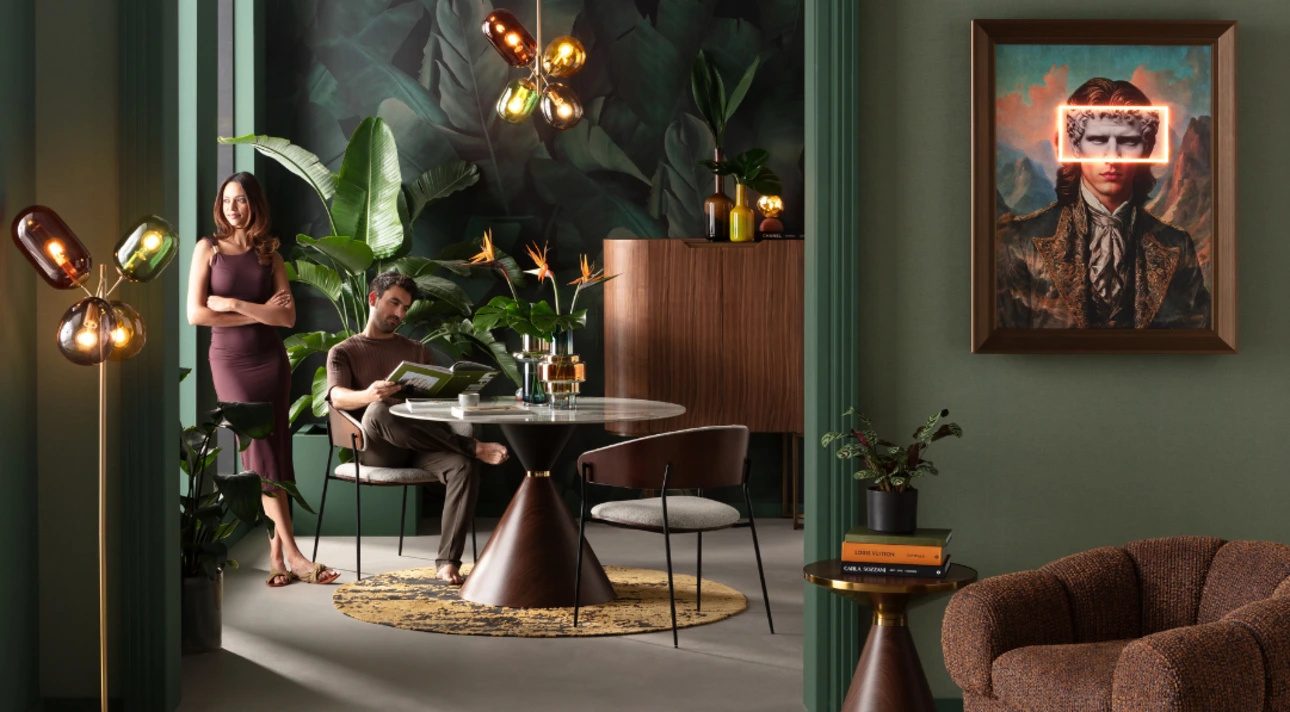
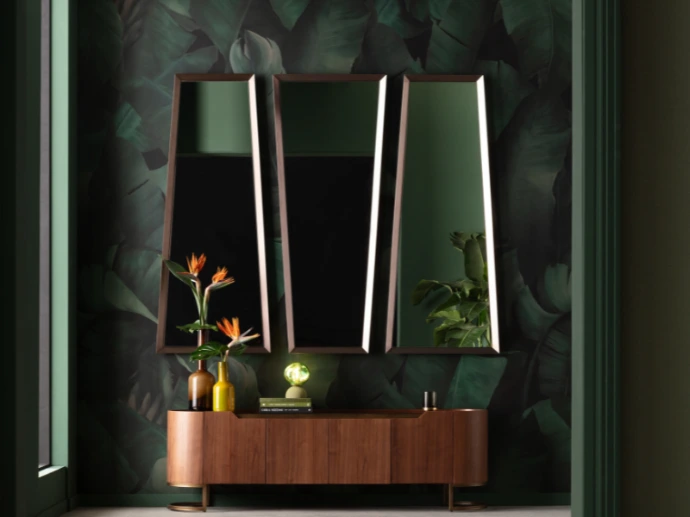
The Modern Luxury style stands for a combination of high-quality materials, dark colours and clear shapes. Walnut-look furniture is a perfect match for this style, as its warm and elegant wood grain creates a luxurious yet natural look. Combined with dark wall colours such as dark green or midnight blue and gold or brass decorations, this creates a particularly sophisticated atmosphere. Glass surfaces, large mirrors and high-quality fabrics such as velvet or silk reinforce this luxurious impression.
Mid-century modern
The mid-century modern style, which became popular in the 1950s and 1960s, is characterised by warm wood tones, curved shapes and functional designs. Walnut-look furniture is ideal for this style, as it reflects the typical warm colours and clean lines of this era. It harmonises particularly well with retro elements such as pastel-coloured accents, leather sofas and metal feet. Low, elongated furniture such as sideboards or coffee tables with oval shapes, which are emphasised by the natural grain of walnut, are also typical of this style.
Minimalism with an elegant touch
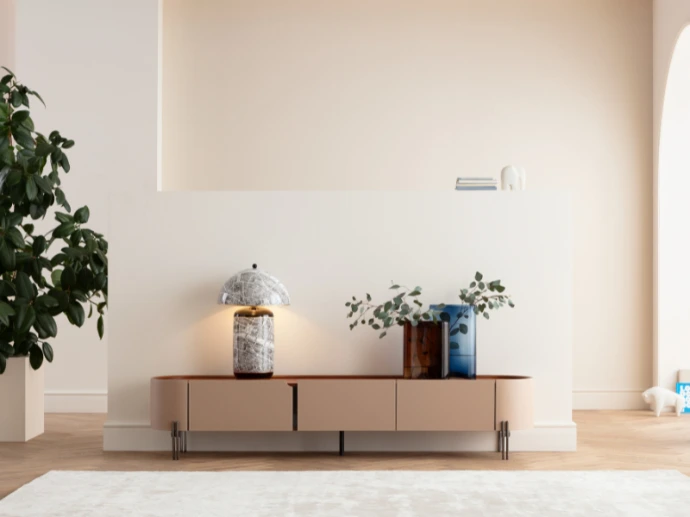
Minimalist furnishing style focuses on clear structures, minimalist shapes and a few, but purposefully placed pieces of furniture. Walnut furniture brings warmth into an otherwise simple room and ensures that it does not appear cool or sparse. Combined with light wall colours such as white, cream or soft greige, it creates an exclusive, uncluttered atmosphere. Decorations such as golden lamps, simple glass vases or monochrome works of art can be used to give the room more depth. Less is often more in this style - the natural beauty of walnut takes centre stage.
Walnut wood is known for its warm, dark and elegant appearance. Choosing the right wall colour can either emphasise the character of the walnut furniture or create an exciting contrast.
Wine red & Bordeaux - for a luxurious and cosy look
Dark red tones such as Bordeaux or wine red give a room a warm, sophisticated look. These colours go perfectly with dark wood such as walnut and make rooms look cosy and inviting. Especially in combination with golden decorations, heavy fabrics such as velvet or dark leather furniture, a luxurious ambience is created.
Dark blue - for a sophisticated and high-contrast effect
Dark blue tones such as petrol or navy blue create an exciting contrast to walnut wood and give the room a sophisticated touch. These colours add depth without appearing too cool.
Cream & beige - for brightness and airiness
If you want to create a light and friendly atmosphere, you should opt for cream and beige colours. These colours have the advantage that they do not contrast too strongly with the dark look of the wood, as would be the case with pure white. They bring light into the room and make it appear larger.
Neon and bright colours should be avoided. Colours such as bright green or garish orange can have an inharmonious effect and outshine the fine grain of walnut.
Oval furniture is considered particularly harmonious and calming in interior and furniture design. They radiate softness and natural balance, making them a popular choice in interior design.
Flowing lines for the eye
In contrast to angular shapes with clearly defined edges, oval furniture has no breaks or sharp transitions. These flowing lines ensure that the eye can follow the contours effortlessly without encountering any obstacles. This creates an even, relaxed visual experience and leads to a feeling of calm and serenity.
Natural inspiration for cosiness
Many oval pieces of furniture are reminiscent of elements from nature, such as stones, leaves or eggs. As people perceive natural structures as particularly pleasant and familiar, such shapes promote an atmosphere of cosiness and security. This association is consciously used in interior design to create cosy and relaxing interiors.
Psychological effect: softness instead of rigour
Oval furniture conveys softness as it does not have any "aggressive" or severe angles. While rectangular or square furniture creates clear and often dominant structures, oval or round pieces of furniture appear much softer and more accessible. This creates an inviting ambience that is perfect for rooms where relaxation and well-being should take centre stage.
Perfect for modern living and interior design
Oval shapes are a timeless design trend and can be perfectly integrated into many interior design styles - from Scandinavian minimalism to modern luxury. Oval furniture and decorations make your living room look less austere and create a cosy atmosphere for you and your loved ones.
Oval furniture in the living room
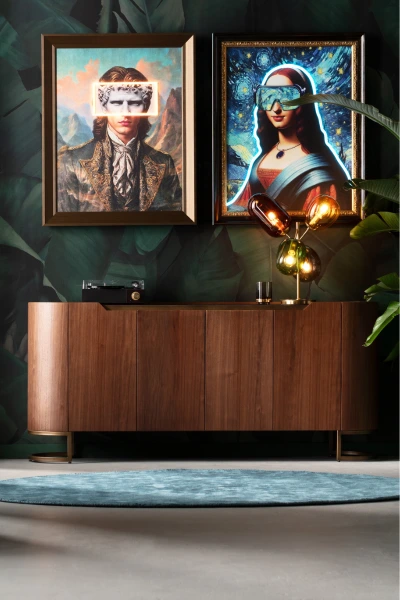
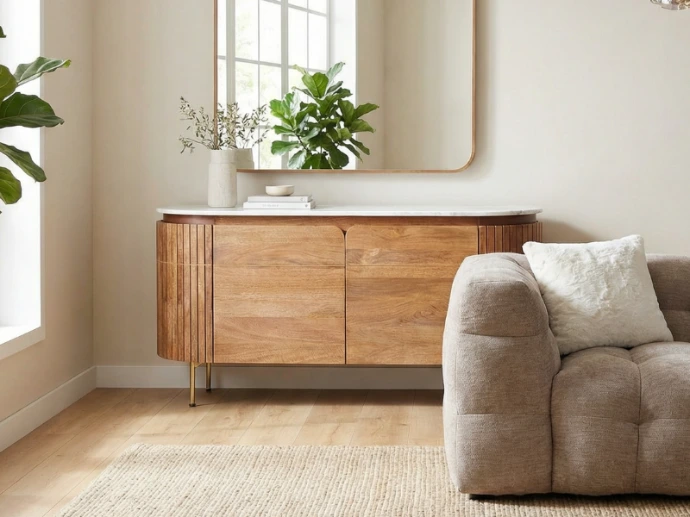
Our walnut coffee table with a dark glass top radiates a sense of harmony between seating groups. The oval design creates gentle lines that visually calm the living area. The high-quality walnut body radiates warmth, while the dark glass top adds a luxurious accent. This piece of furniture blends seamlessly into various interior styles and becomes the elegant centrepiece of the living room. Our matching walnut sideboard with the same combination of materials complements the room perfectly. The oval shape loosens up the overall look and creates a soft spatial effect. The body made of fine walnut wood offers a warm, brown colour scheme that radiates cosiness. The dark glass top creates a modern contrast and gives the piece of furniture an exclusive touch. Thanks to the practical storage options, books, remote controls, magazines and periodicals can be easily stowed away.