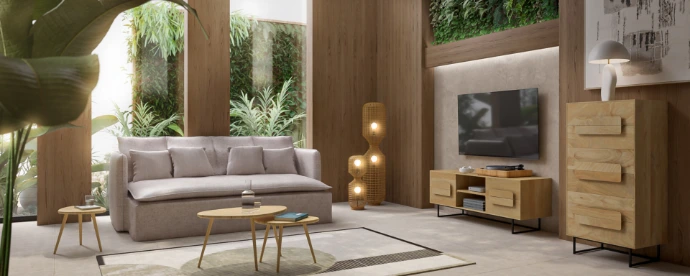
JAPANDI – THE ART OF SUBTLE BEAUTY
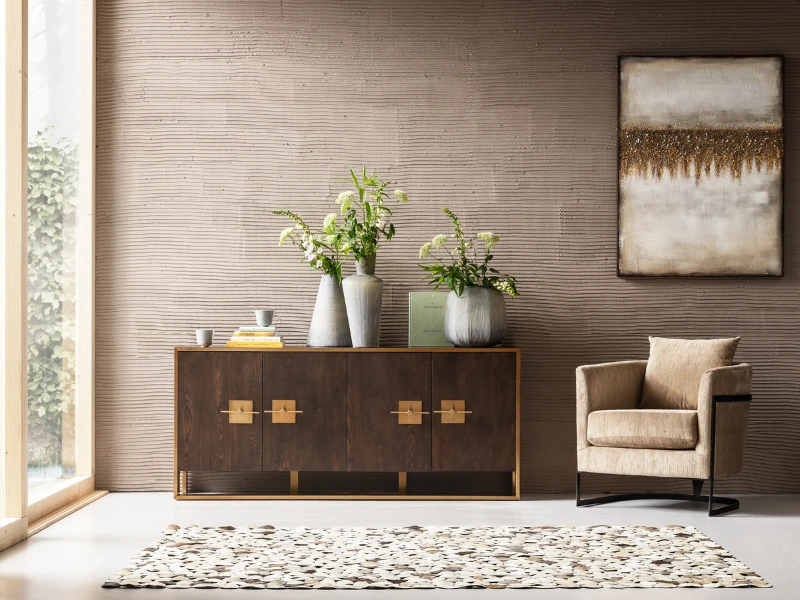
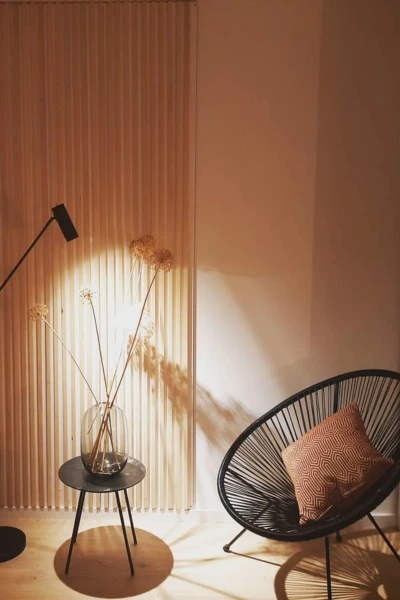
THE FAR EAST MEETS THE COOL NORTH.
CURIOUS?
JAPANDI IN THE LIVING ROOM
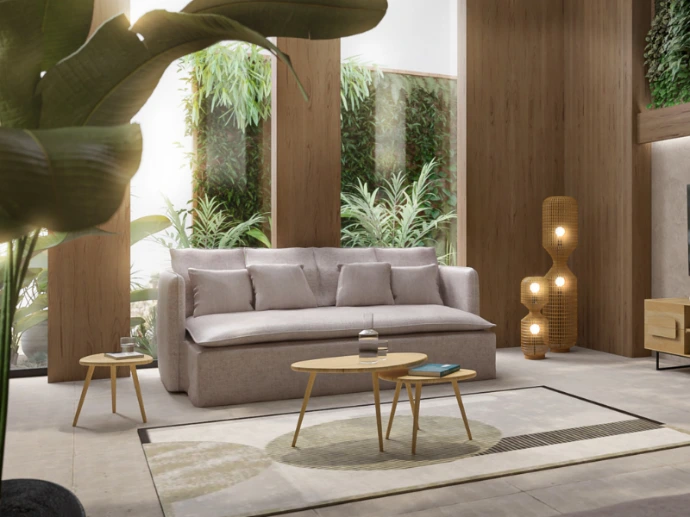
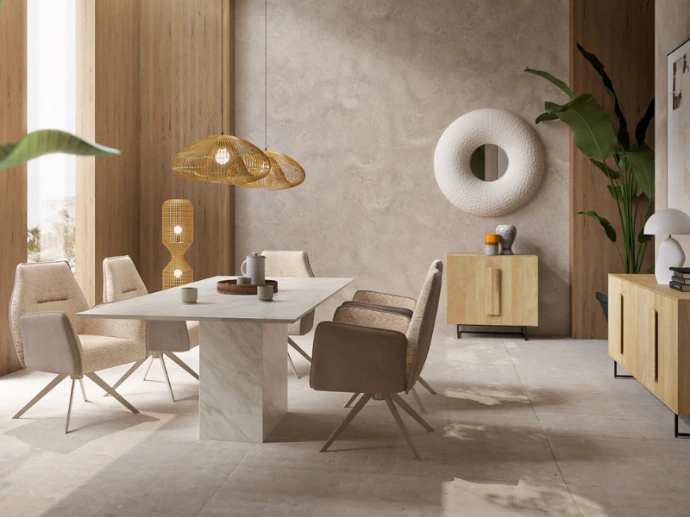
JAPANDI IN THE DINING ROOM
JAPANDI IN THE BEDROOM
DECORATE WITH JAPANDI
MIRROR, MIRROR...
MORE INSPIRATION
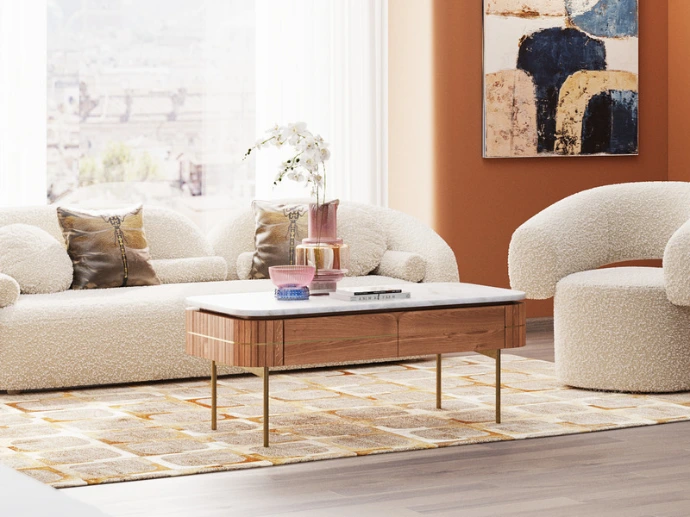
JAPANDI INTERIOR DESIGN - CLEAR, NATURAL AND HARMONIOUS
The term Japandi interior trend is a fusion of the words “Japan” and “Scandi” (short for Scandinavian). This blend describes a design style that unites the clean elegance of Japanese minimalism with the warm, functional coziness of Scandinavian design.
At the heart of the Japandi trend are clean lines, natural materials, and a harmonious color palette. The goal is to create spaces that feel both minimalist and inviting. While the Japanese wabi-sabi philosophy emphasizes understated beauty and refined imperfection, the Scandinavian influence adds warmth and comfort to the overall design. The result is a balanced combination of functionality and coziness—perfect for modern living spaces.
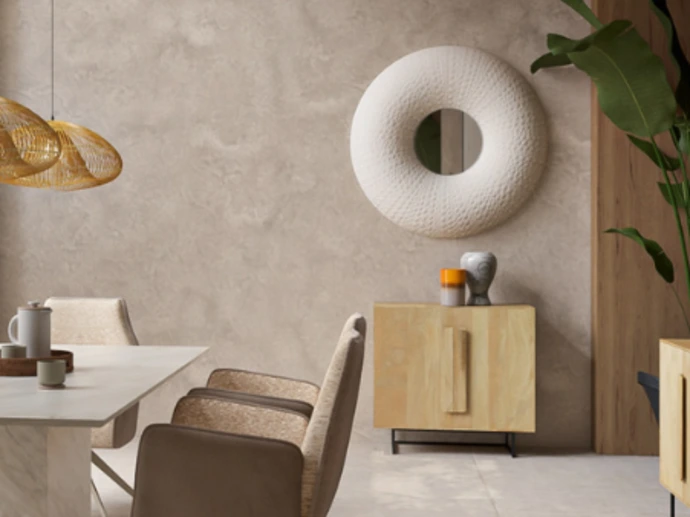
Japandi furniture is known for its minimalist designs, organic shapes, and high-quality materials. Common materials include wood, stone, linen, and cotton. In a Japandi living room, low furniture, muted tones, and a few carefully chosen decorative pieces help create a calm and serene atmosphere.
Whether it's a Japandi sofa, Japandi lamp, or Japandi vase—each element is intentionally selected to blend seamlessly into the overall look. The Japandi interior trend represents a sustainable, long-lasting, and aesthetically pleasing approach to home design—one that is likely to remain popular for years to come.
The Japandi interior trend brings together two design styles from distinct cultures that share a common philosophy: a love of simplicity, functionality, and natural elements. Its roots lie in two iconic approaches to living—Japanese minimalism and Scandinavian coziness.
1. The Japanese Influence – Wabi-Sabi as a Design Philosophy
Japanese interior culture is based on the concept of wabi-sabi, which celebrates the beauty of simplicity, nature, and imperfection. Traditional Japanese homes emphasize a deliberate reduction to the essentials.
Key features of the Japanese influence:
✔ Minimalism & Functionality: A few carefully chosen pieces of furniture and décor create a peaceful, uncluttered atmosphere.
✔ Natural Materials: Wood, stone, ceramics, and linen are central, giving the space an organic and grounded feel.
✔ Harmony & Balance: Clean lines, muted colors, and thoughtfully placed lighting create a sense of calm.
✔ Low-lying Furniture: Low Japandi sofas, floor cushions, or tea tables highlight the traditional Japanese connection to the ground.
2. The Scandinavian Influence – Hygge and Functionality
Scandinavian style focuses on bright, inviting spaces that emphasize comfort and coziness. The concept of hygge reflects the art of feeling at home—creating a warm, welcoming environment through thoughtful use of color, texture, and lighting.
Key features of the Scandinavian influence:
✔ Light Colors & Natural Textures: Warm wood tones, soft earthy hues, and neutral colors like beige or gray are prominent.
✔ Cozy Textiles & Lighting: Cushions, rugs, and throws made of wool or linen, paired with soft, ambient lighting—such as a Japandi lamp—create a sense of comfort.
✔ Simple, Functional Furniture: Japandi furniture typically features minimalist design, yet remains practical and durable—like low-profile beds, plain wooden shelves, and cozy lounge chairs.
3. The Fusion of Both Styles – How Japandi Was Born
Japandi emerged from a shared desire to create interiors that are both calm and comfortable. Japanese and Scandinavian designers share core values: High-quality materials, thoughtful functionality, and a focus on essentials.
Signature elements of the Japandi trend:
✔ Japandi Living Room: Open, bright spaces with minimalist wooden furniture, muted color palettes, and a few carefully chosen accents like a Japandi vase or handcrafted ceramics.
✔ Japandi Furniture: Solid wood in light or dark finishes—such as oak, walnut, or ash—paired with clean lines and functional elegance.
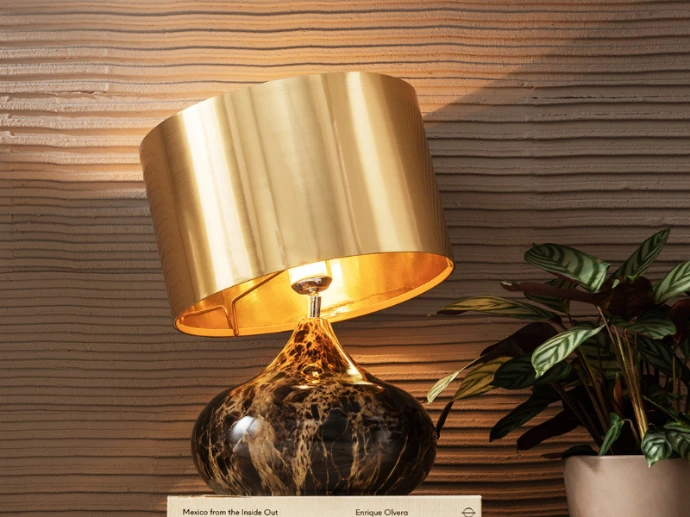
✔ Japandi Lamp: Minimalist lamps made of paper or fabric that emit warm, indirect light and foster a relaxed atmosphere.
4. Why Japandi Is So Popular Today
Japandi has gained global popularity in recent years—and for good reason:
✔ Timeless Elegance: The combination of minimalism and warmth makes Japandi a stylish and enduring design choice.
✔ Sustainability & Quality: With a focus on natural materials and long-lasting furniture, Japandi aligns with today’s eco-conscious mindset.
✔ Tranquil Atmosphere: In a fast-paced world, many people long for a home that radiates calm and serenity.
Japandi is more than just an aesthetic—it's a conscious way of living that blends form, function, and inspiration into a harmonious home.
1. Minimalism Meets Coziness
The Japandi interior trend combines the best of two worlds: the understated elegance of Japanese design and the cozy warmth of Scandinavian interiors. While Japanese minimalism emphasizes clean lines, simple shapes, and functionality, the Scandinavian influence adds a welcoming, homey atmosphere.
2. Intentional Living Over Excess
In a Japandi living room, carefully selected furniture and décor take center stage—every element has a purpose. Instead of filling the space with numerous small accessories, the focus is on a few high-quality pieces like a handcrafted Japandi vase or a minimalist Japandi lamp that complete the overall look.
3. Natural Materials and Lasting Quality
A key aspect of the Japandi trend is the use of natural materials. Wood, stone, linen, cotton, and ceramics are the materials of choice. Japandi furniture is often made of solid wood like oak, ash, or walnut, and features a deliberately simple design.
4. Harmony Through Color and Contrast
The Japandi color palette is calm and balanced. Light sand and beige tones from Scandinavian design are paired with darker, earthy shades inspired by Japanese style. A Japandi living room thrives on these harmonious contrasts, creating a soothing yet stylish ambiance.
5. Functionality as a Design Principle
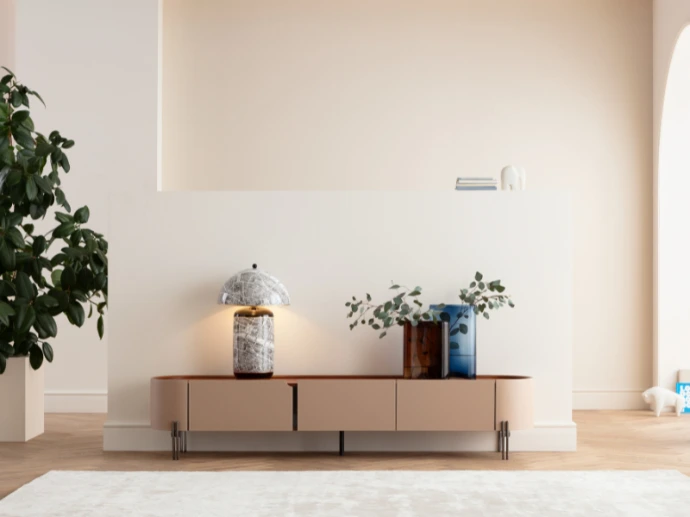
Functionality plays a central role in Japandi interiors. Furniture is not only aesthetically pleasing but also practical. A Japandi sofa is often low to the ground, shelves are open and neatly arranged, and sideboards offer storage without looking cluttered.
6. Light and Atmosphere
Lighting is crucial to the Japandi concept. Instead of harsh, direct light, soft and indirect lighting creates a cozy mood. Paper and fabric lamps, often found in Japanese interiors, are a perfect match. A simple Japandi lamp made from wood, metal, or ceramic blends seamlessly into the overall design.
7. A Connection to Nature
Plants are an essential part of Japandi interiors. Bonsai trees, dried flowers, or simple grasses bring life into the room and emphasize the trend’s close connection to nature. This is complemented by handcrafted ceramics or a minimalist Japandi vase, purposefully placed as a standalone statement piece.
The Japandi interior trend is more than just an aesthetic choice—it's a conscious way of living. By combining Japanese clarity with Scandinavian comfort, it creates a timeless living space that brings together calm, functionality, and style.
Connection to Nature as a Central Element
The Japandi interior trend emphasizes natural materials to create a calm and balanced atmosphere. Wood plays a crucial role in this and is used for both furniture and decorative elements. Typical are light and dark woods, which are deliberately combined to create contrast and harmony.
Light Woods for Scandinavian Airiness
Light wood types such as oak, ash, and pine bring the Scandinavian influence into the Japandi living room. These woods create an airy, open feel and enhance the sense of warmth and coziness. Light woods are especially popular in Japandi furniture such as tables, chairs, and shelves, as they blend perfectly with the natural colors of the trend.
Dark Woods for Japanese Elegance
The Japanese influence in the Japandi trend is reflected in the use of darker woods like walnut, teak, or smoked oak. These types of wood give furniture a refined, timeless look and add depth to the overall design. A Japandi sofa with a dark wooden frame or a Japandi lamp with wooden elements can be used strategically to create contrast and visually balance the space.
Sustainability and Quality
Beyond aesthetics, sustainability is also a key consideration. The Japandi style favors durable materials and high-quality craftsmanship. Solid wood is preferred, often in oiled or untreated finishes to highlight the natural grain. This emphasizes the authentic character of the furniture and provides a pleasant tactile experience.
Combining Wood with Other Materials
In the Japandi living room, wood is often combined with other natural materials to create a harmonious overall look. A minimalist Japandi ceramic vase on a wooden table, a Japandi lamp with a paper or fabric shade, and a wooden bed frame with linen covers — all of these elements fit seamlessly into the trend and enhance the sense of calm and balance.
Yes, the Japandi interior trend remains a popular and timeless style in 2026. Its enduring appeal lies in the perfect balance between minimalism and coziness, making it versatile and relevant in the long term. While many trends come and go quickly, Japandi is built on principles that stand the test of time: natural materials, high-quality craftsmanship, and a calm, harmonious atmosphere.
Sustainability Drives Continued Popularity
A key factor in Japandi’s lasting popularity is the growing demand for sustainable living. More and more people are looking for long-lasting, resource-conscious furnishings that are both aesthetically pleasing and functional. Japandi furniture made from solid wood, linen, or ceramic perfectly embodies these values. A simple Japandi sofa or a minimalist Japandi lamp fits seamlessly into a variety of interiors and remains stylish for years to come.
Minimalism Remains on the Rise
Minimalism in interior design continues to gain importance. Especially in urban apartments where space is often limited, a tidy and thoughtfully designed Japandi living room offers a peaceful retreat. By avoiding unnecessary decoration and focusing on carefully chosen statement pieces—like a handcrafted Japandi vase or a curated artwork—the result is a clean yet inviting atmosphere.
Japandi’s Versatility Keeps It Relevant
Another reason Japandi remains relevant is its flexibility. The style blends easily with other interior trends—whether with modern industrial elements, Mediterranean colors, or classic mid-century furniture. This versatility makes Japandi appealing not only to design purists but also to anyone looking to evolve their personal style over time.
A Continued Focus on Comfort and Well-Being
The desire for spaces that promote well-being continues to play a major role. In recent years, homes have increasingly become personal sanctuaries. A minimalist, natural environment with soft colors, gentle textiles, and warm lighting—hallmarks of a Japandi living room—will remain appreciated by many in the future.
Japandi is therefore not a short-lived interior trend, but a design philosophy that stands out for its longevity and calming effect. For those seeking a timeless and stylish aesthetic, Japandi—with its reduced color palette, natural materials, and elegant simplicity—will continue to be the right choice in 2026 and beyond.
1. The Foundation: Less, but More Intentional
In a Japandi living room, quality takes precedence over quantity. Instead of filling the space with numerous small pieces of furniture and accessories, you choose fewer but high-quality items that allow the space to breathe. The overall look is clear, tidy, and harmonious – ideal for anyone wanting to create a calm atmosphere.
2. Furniture: Simple, Functional, and Low to the Ground
Japandi furniture is defined by clean lines, natural materials, and a restrained design language.
Sofa: A low-slung Japandi sofa with a wooden frame or natural-toned fabric upholstery forms the centerpiece.
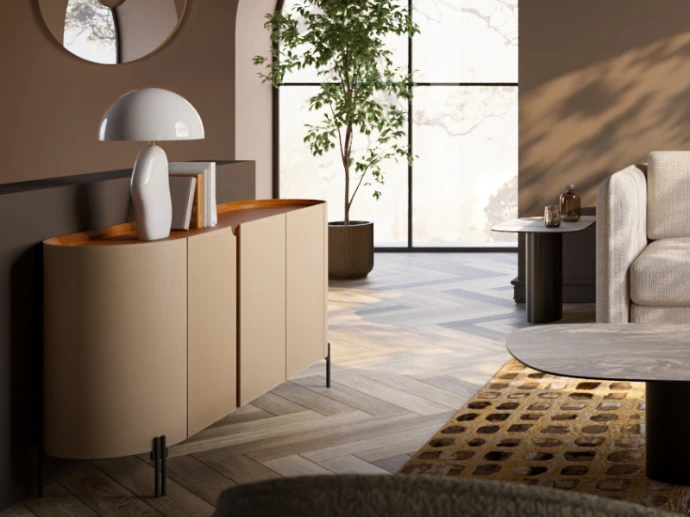
Tables & Shelving: Coffee tables made of oak, ash, or walnut, complemented by open wooden shelving or a minimalist sideboard.
Light & Dark Combo: Light Scandinavian-style wood furniture meets dark Japanese-style accents – for example, in table legs or cabinet handles.
3. Color Palette: Natural and Soothing
The Japandi color scheme is soft, earthy, and harmonious.
Base Colors: Beige, sand, taupe, off-white, or light grey.
Contrasts: Dark wood tones, black, or deep blue add visual depth.
Tip: Use light tones for walls, floors, and large furniture pieces, and add darker shades in the form of Japandi lamps or decor details.
4. Lighting Concept: Warm and Indirect
Lighting plays a central role in Japandi interiors, as it sets the mood and shapes the overall atmosphere.
Japandi Lamps: Paper or fabric lamps for soft, diffused light, preferably with organic and subtle shapes.
Lighting Approach: Indirect lighting – such as floor or wall lamps – feels calmer than harsh overhead lights.
Material Mix: Lamps made of wood, ceramic, or metal echo the natural look of the Japandi trend.
5. Decoration: Subtle, but Full of Character
A few carefully chosen accessories bring personality into the Japandi living room without overwhelming the space.
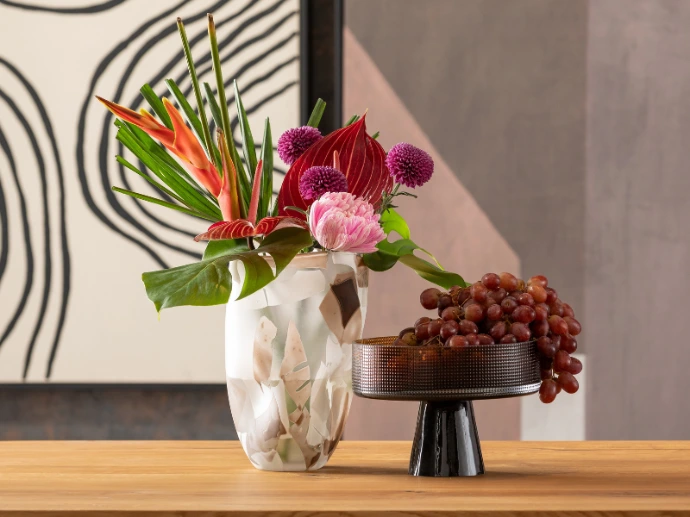
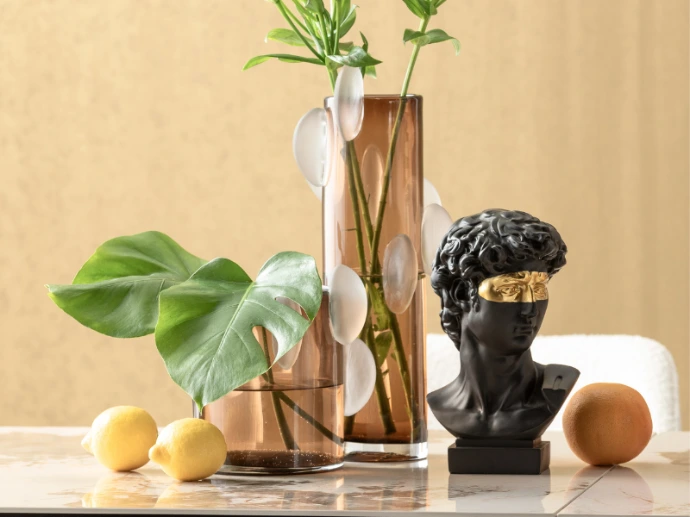
Japandi Vase: Handcrafted ceramic pieces or matte-finished vases in natural tones.
Plants: Bonsai trees, dried flowers, or delicate grasses act as quiet highlights.
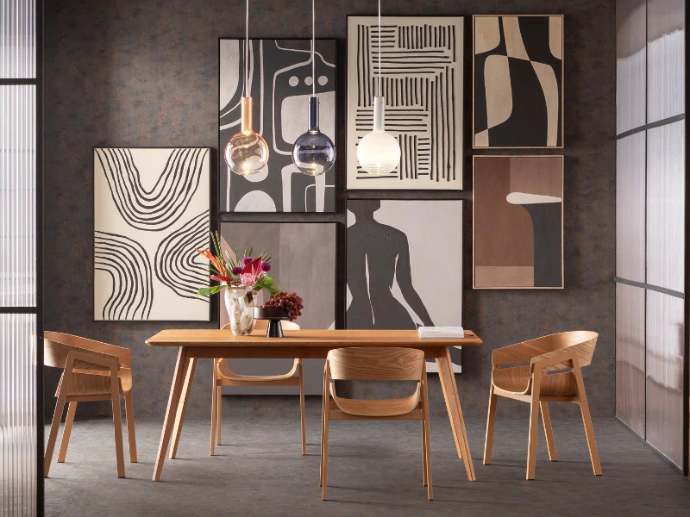
Wall Art: Abstract prints, Japanese calligraphy, or serene photographic art – always arranged with plenty of space in between.
6. Textiles & Comfort
Cushions & Throws: Natural fabrics like linen or wool in muted tones add texture and warmth.
Rugs: Flat-woven, subtly patterned or solid-colored – ideal for defining different zones in the room.
Curtains: Airy linen curtains let in daylight without glare, preferably floor-length.
1. Calm and Retreat as the Core Concept
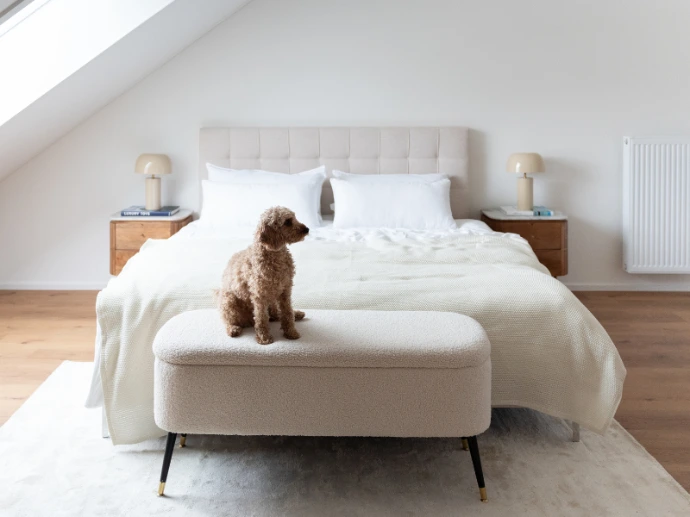
A Japandi-style bedroom is a space for rest and recovery. The focus is on clear structure, a muted color palette, and a consciously minimalist yet cozy interior. The combination of natural materials, soft tones, and functional furniture creates a serene atmosphere that invites relaxation.
2. Furniture: Low-Profile, Simple, and High-Quality
The foundation of a Japandi bedroom is understated furniture that is both functional and durable.
Bed: A low, minimalist wooden bed frame – made of oak, ash, or walnut – forms the centerpiece of the room.
Nightstands & Dressers: Clean lines, open surfaces, ideally made from the same wood as the bed to maintain visual calm.
Storage: Open shelves or minimalist wardrobes with smooth, handle-less fronts – no embellishments, no clutter.
3. Color Scheme: Soothing and Harmonious
The colors in a Japandi bedroom are carefully chosen to visually slow down the space.
Base Colors: Light earth tones such as sand, beige, off-white, or pale grey.
Accents: Black, deep blue, or dark wood – for example, in a Japandi lamp or wall decor.
Textiles: Bedding, curtains, and rugs in muted tones, preferably made from natural fabrics.
4. Lighting: Gentle and Indirect
Lighting in the bedroom should be warm and subtle, not too bright.
Japandi Lamps: Table lamps made of ceramic or wall lights with fabric shades create a peaceful ambiance.
Soft Lighting: Multiple small light sources instead of one central ceiling light – this adds depth and comfort.
Material Choices: Paper, linen, or frosted glass support the natural look of the space.
5. Decoration: Minimal but Expressive
A few intentionally placed accessories emphasize the style without causing visual noise.
Japandi Vase: On the nightstand or windowsill as a calm accent.
Wall Art: Japanese prints, abstract art, or textile wall hangings – always with plenty of space around them.
Plants: Small bonsai trees or delicate greenery bring nature into the room without overpowering it.
6. Textiles: Coziness Through Texture
Bedding: Linen or cotton in calm shades – perfect for a pleasant feel against the skin.
Blankets & Cushions: Simple knit throws or textured cushion covers add extra warmth.
Rug: A soft, understated rug under or beside the bed adds a touch of comfort and softness.
A Japandi bedroom is a consciously designed retreat that impresses with natural materials, calming colors, and functional Japandi furniture. Whether it’s a low-profile Japandi bed, a gentle Japandi lamp, or a subtle Japandi vase on the nightstand – each detail contributes to a sleep environment that feels both relaxing and timelessly modern
Nature as the Color Inspiration
The color scheme of the Japandi interior style is clean, minimalist, and inspired by nature. The aim is to create a calm and harmonious atmosphere through soft, balanced tones. The colors are never loud or overwhelming—they blend quietly into the space, allowing materials and shapes to speak for themselves.
Light Tones from Scandinavian Design
The base of the Japandi color palette consists of soft, light shades borrowed from Scandinavian interiors. These colors create a friendly mood and make spaces feel open and serene.
Typical tones include:
Beige
Sand
Taupe
Off-white
Light grey
These shades often dominate walls, floors, larger Japandi furniture pieces, or the Japandi sofa, forming the foundation for the overall design.
Dark Accents from Japanese Influence
These light tones are complemented by deeper, contrasting colors that add depth and structure to the space. This Japanese influence introduces visual balance and highlights selected design elements.
Popular choices include:
Dark wood (walnut, smoked oak)
Black
Deep blue
Anthracite
Moss green or warm brown
You’ll often find these accents in minimalist Japandi lamps, table legs, handles, frames, or decorative objects like a dark Japandi vase.
Subtle Contrasts for a Calm Expression
The charm of the Japandi style lies in its ability to combine light and dark, warm and cool—without disturbing the tranquility of the room. Instead of bright colors or bold patterns, the focus is on understated contrasts: dark wood on a light rug, black vases on a beige sideboard, a deep blue cushion on a natural-toned Japandi sofa.
Material and Color as One
In the Japandi concept, color is not considered in isolation—it’s always linked to materials. Wood, linen, ceramic, or stone naturally introduce warmth through their organic tones. Rather than glossy finishes, matte, natural surfaces are preferred—enhancing the calm, grounded feel of the space.
The Japandi color palette is subtle, earthy, and timeless. It creates a balanced foundation for peaceful interiors—from a Japandi living room with a beige sofa and dark wood coffee table, to a muted grey Japandi lamp or a naturally colored vase as a quiet statement piece. Anyone seeking a harmonious home will find their aesthetic match in the world of Japandi colors.
1. Handcrafted One-of-a-Kind Pieces
Craftsmanship plays a central role in the Japandi style. Instead of mass-produced items, the focus is on selected pieces that stand out through their texture and material quality. A classic example is the Japandi vase—handcrafted, made from ceramic or stone, often with a matte finish and in natural tones like beige, grey, or black. Bowls or decorative trays made of wood or natural stone are also typical accents.
2. Plants – Thoughtfully Placed
Plants are an expression of the Japandi style’s connection to nature, but they are used sparingly. Rather than large leafy plants, the focus is on delicate bonsais, dried branches, or simple grasses. These elements blend harmoniously with the space and emphasize the calm, grounded mood of a Japandi living room.
3. Textiles with Texture
Textiles in Japandi interiors are both functional and decorative. In the living room or bedroom, cushions and throws made from linen, wool, or cotton add warmth, texture, and depth. The colors follow the typical Japandi palette: sand, grey, off-white, or darker accents in anthracite or deep blue.
4. Art & Wall Design
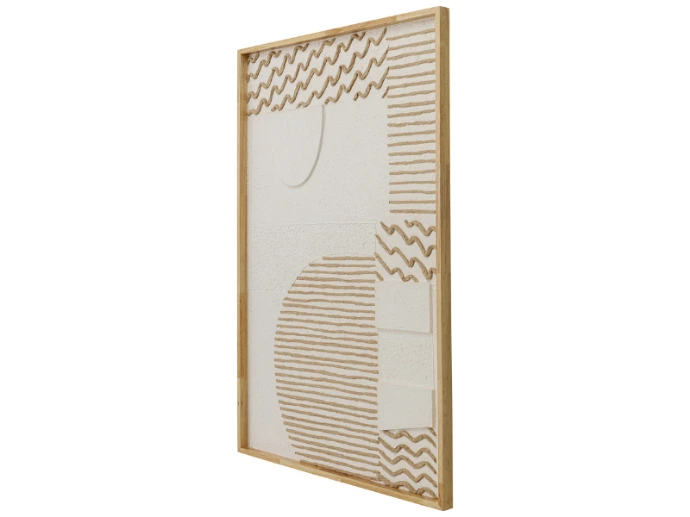
Wall decor in Japandi interiors is minimalist. Often, one large, tranquil piece is enough—such as Japanese calligraphy, abstract artwork, or nature motifs in muted colors. Textile wall art or a single, simply framed piece above a Japandi sofa are also popular design choices.
5. Functional Decoration
A key feature of Japandi design is that many decorative elements also serve a purpose. A beautiful bowl doubles as a storage tray, a simple wooden chair can be used as a minimalist coat stand, or a sleek tray helps keep things organized. Even a Japandi lamp functions not only as a light source but also as an aesthetically pleasing design object.
6. Material Choices – Natural and Pure
The materials of Japandi décor items reflect the core of this interior style: raw, natural beauty. Ceramic, wood, stone, linen, or rattan form the foundation. Surfaces are left as untreated or matte as possible to emphasize the authenticity of the material—an approach that’s especially visible in a Japandi vase or a minimalist ceramic lamp.
1. Modern & Clean – Japandi Meets Contemporary Design
The Japandi interior trend pairs beautifully with modern design elements. Contemporary design—with clean lines, monochromatic tones, and geometric shapes—complements the understated aesthetic of Japandi furniture perfectly. Metallic accents in black or brass, combined with a sleek Japandi sofa or a minimalist Japandi lamp, create a cohesive, modern overall look with a touch of cool sophistication.
2. Subtle Boho Influences – Warm and Personal
When used sparingly, Boho elements can add a soft, personal touch to a Japandi living room. Natural materials like rattan, jute, or woven accessories blend well with the Japandi color palette and its organic forms. A Japandi vase on a Boho-inspired side table becomes an expressive yet balanced detail.
3. Mid-Century Modern – Clean Lines, Functional Design
Japandi shares many values with Mid-Century style: functionality, simplicity, and quality materials. Design classics with wooden frames, tapered legs, or retro silhouettes fit seamlessly into a minimalist Japandi space. Especially when combined with darker wood tones, the result is a stylish fusion of nostalgia and modernity.
4. Industrial – Contrast Creates Interest
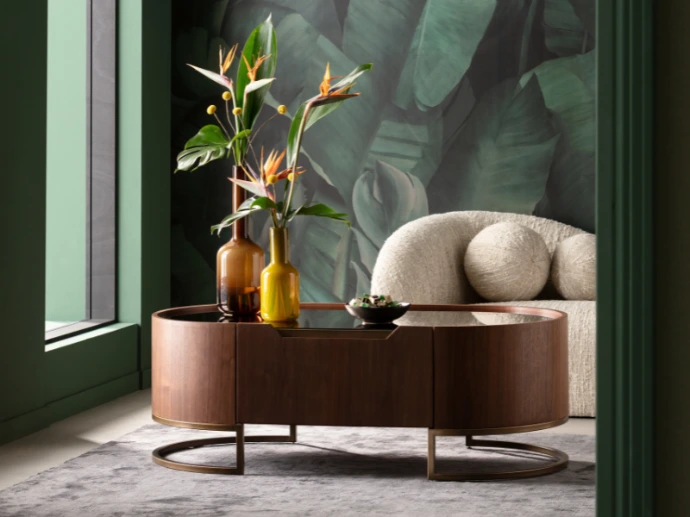
For those who prefer a slightly rougher edge, Japandi also pairs well with industrial elements. Exposed concrete, metal shelving, or black-framed windows provide a striking contrast to the soft shapes and natural textures of Japandi furniture. A mix of a cozy Japandi sofa with a coffee table made of wood and metal creates a stylish interplay between calm and urban character.
5. Pure Minimalism – A Perfect Match
Minimalist interiors are a natural fit for the Japandi concept, as both styles share the principles of simplicity and clarity. Those who want to create an especially pure Japandi living room should focus on maximum order, neutral colors, open spaces, and strictly functional objects—enhanced with a subtle Japandi lamp, a simple Japandi vase, or a piece of furniture with clean lines.